
Re//Generate: Eco-Accountability in Art & Fashion
Artist Statement
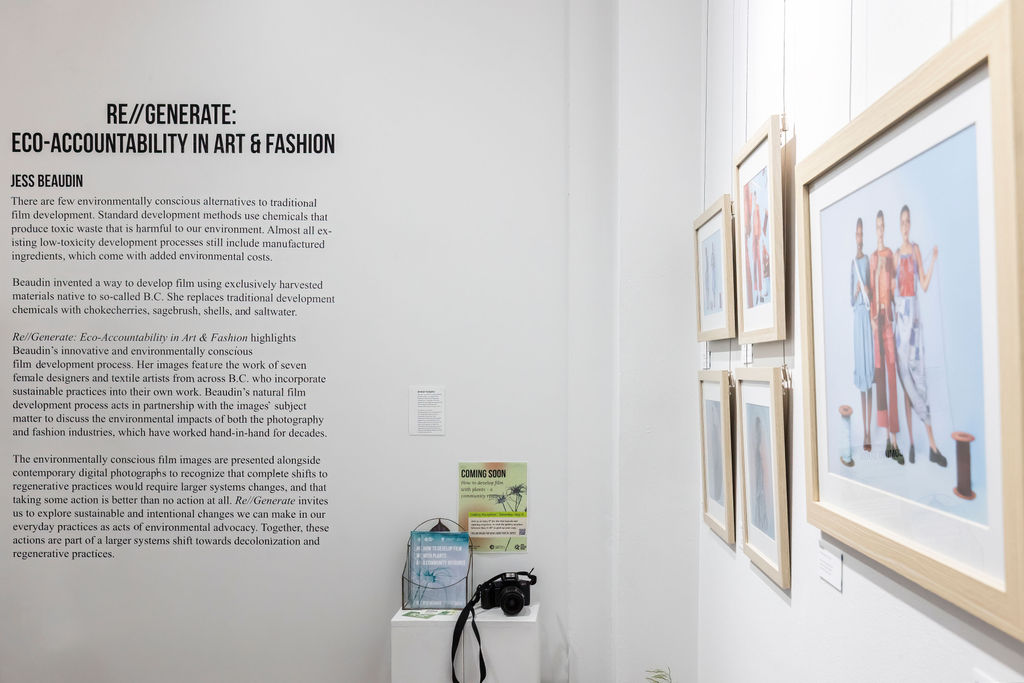
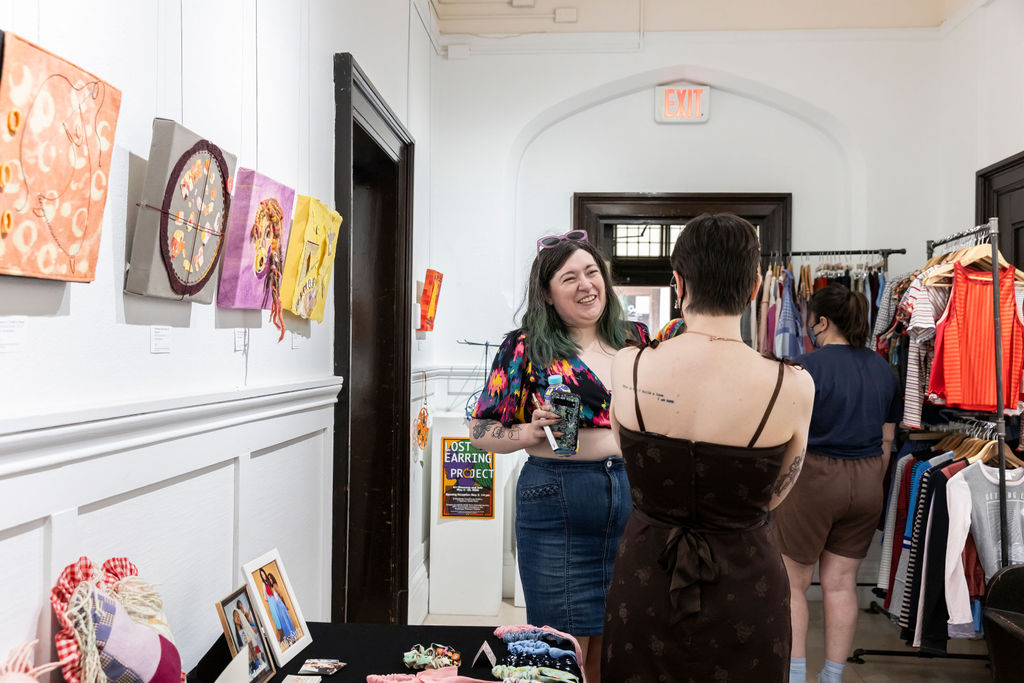
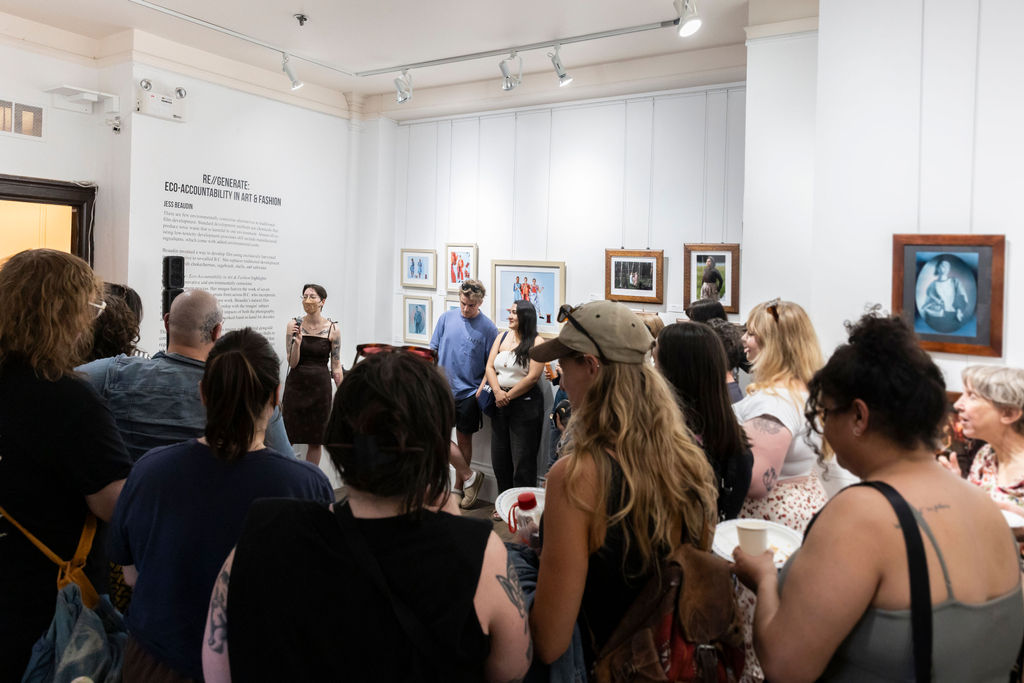
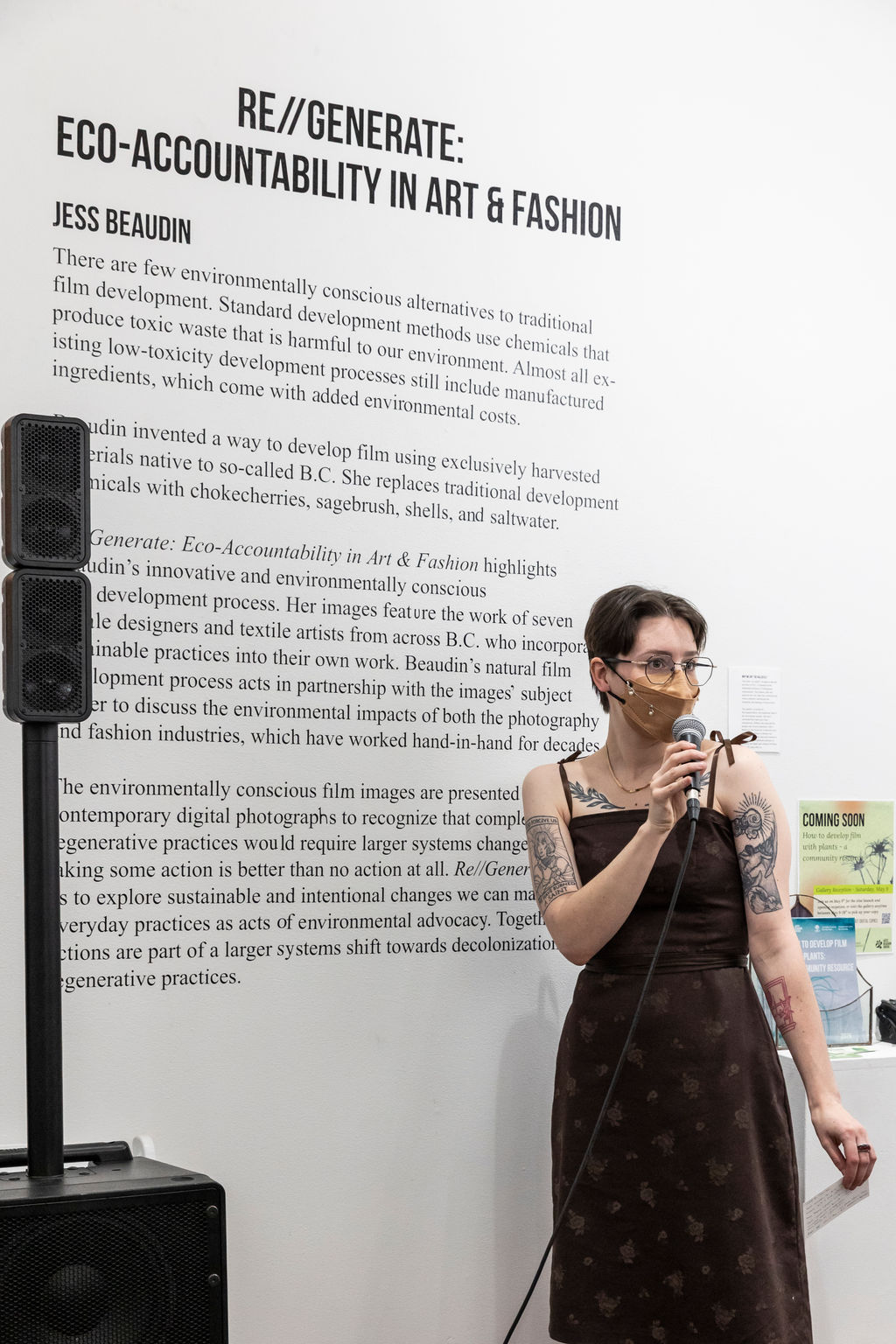
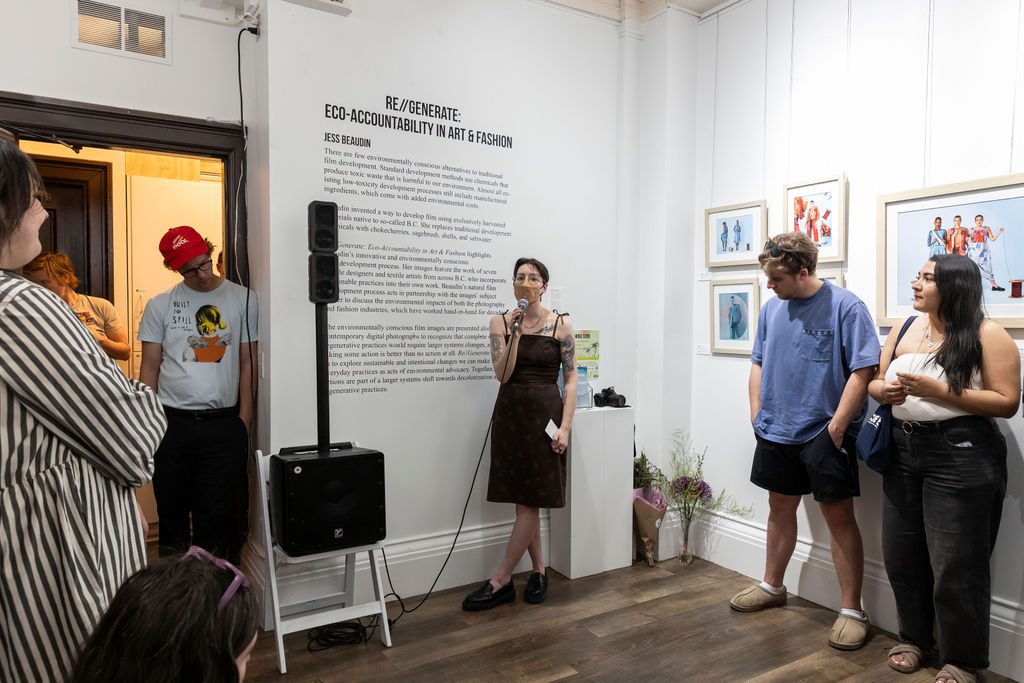
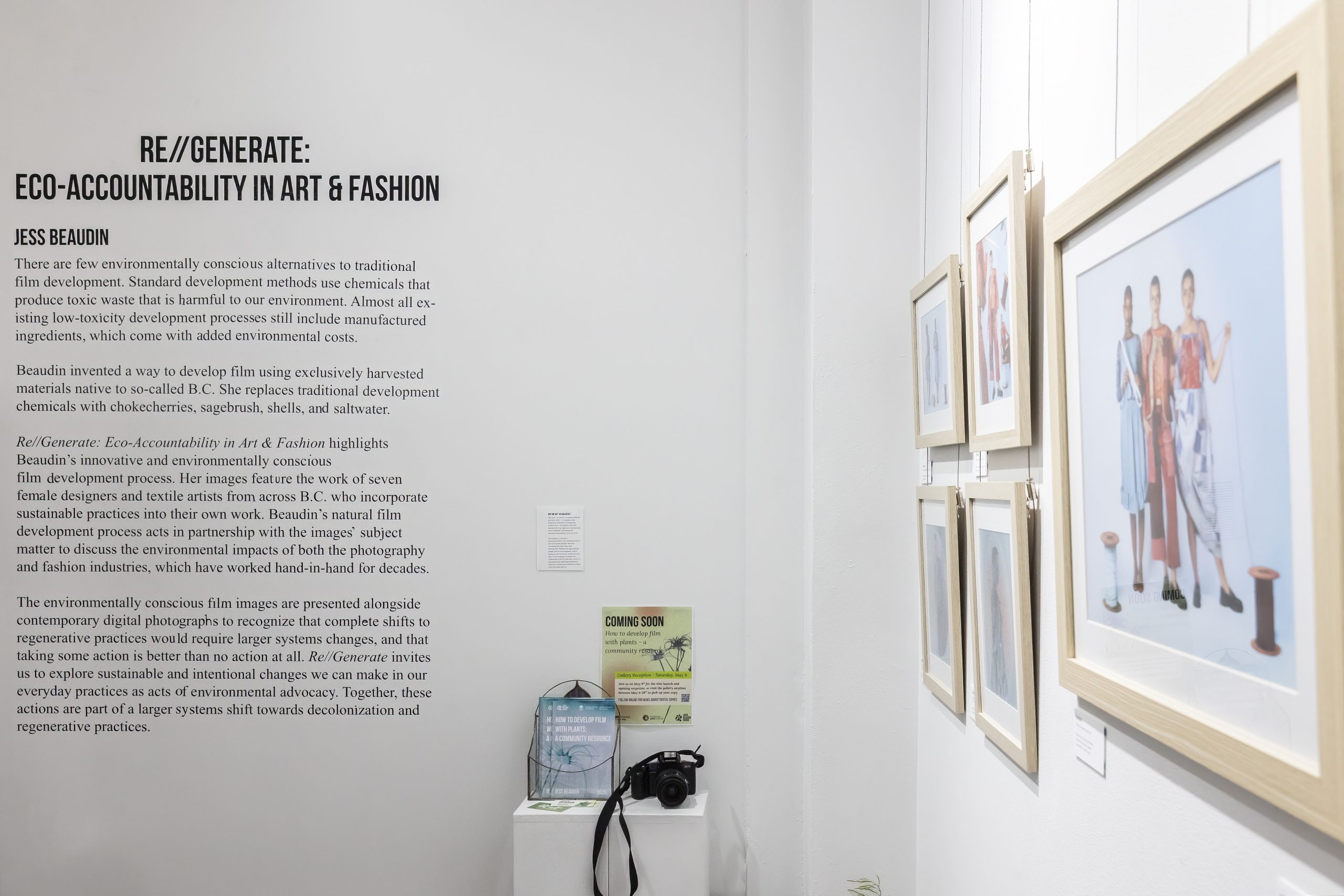
There are few environmentally conscious alternatives to traditional film development. Standard development methods use chemicals that produce toxic waste that is harmful to our environment. Almost all existing low-toxicity development processes still include manufactured ingredients, which come with added environmental costs.
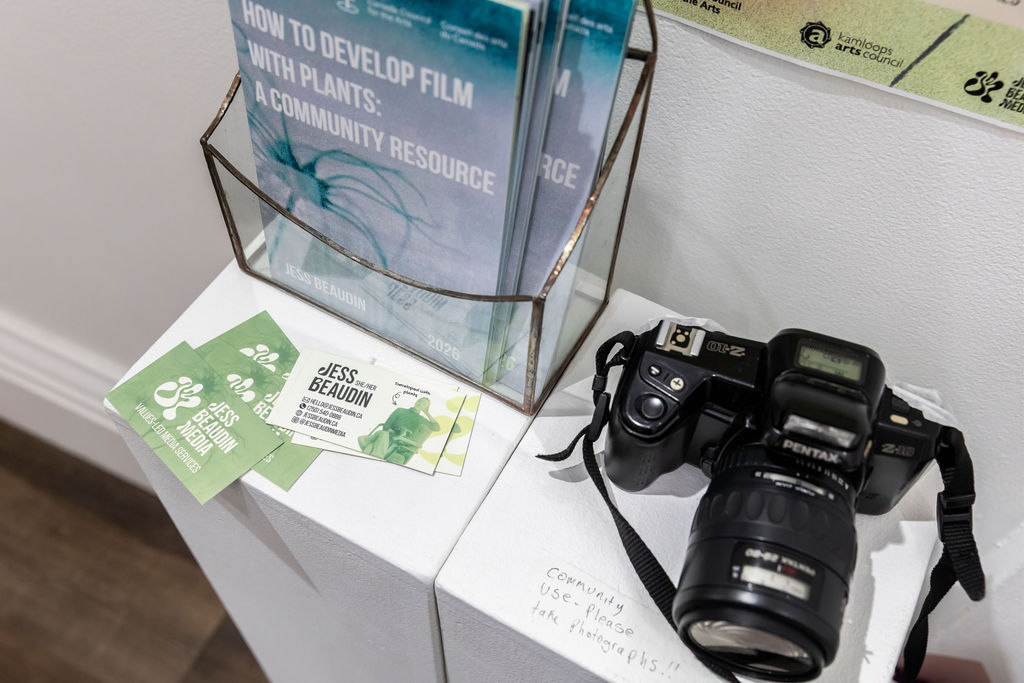
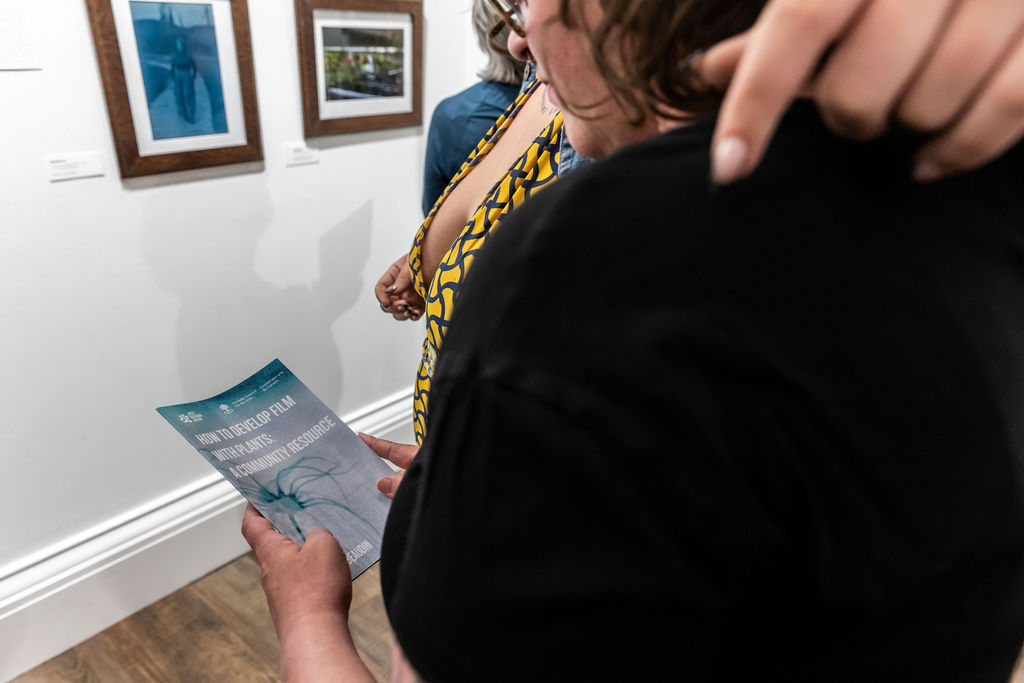
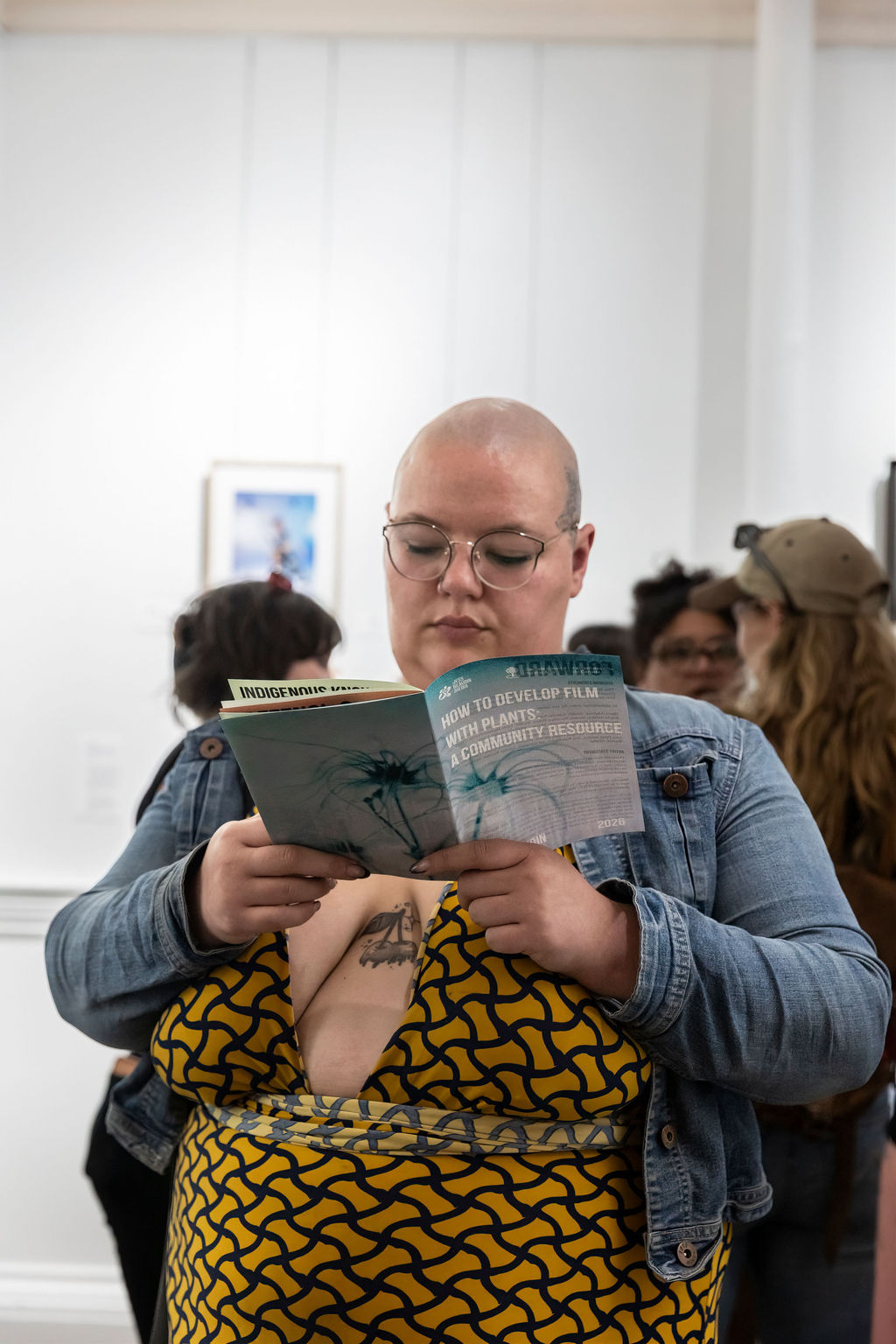
Beaudin invented a way to develop film using exclusively harvested materials native to so-called B.C. She replaces traditional development chemicals with chokecherries, sagebrush, shells, and saltwater.
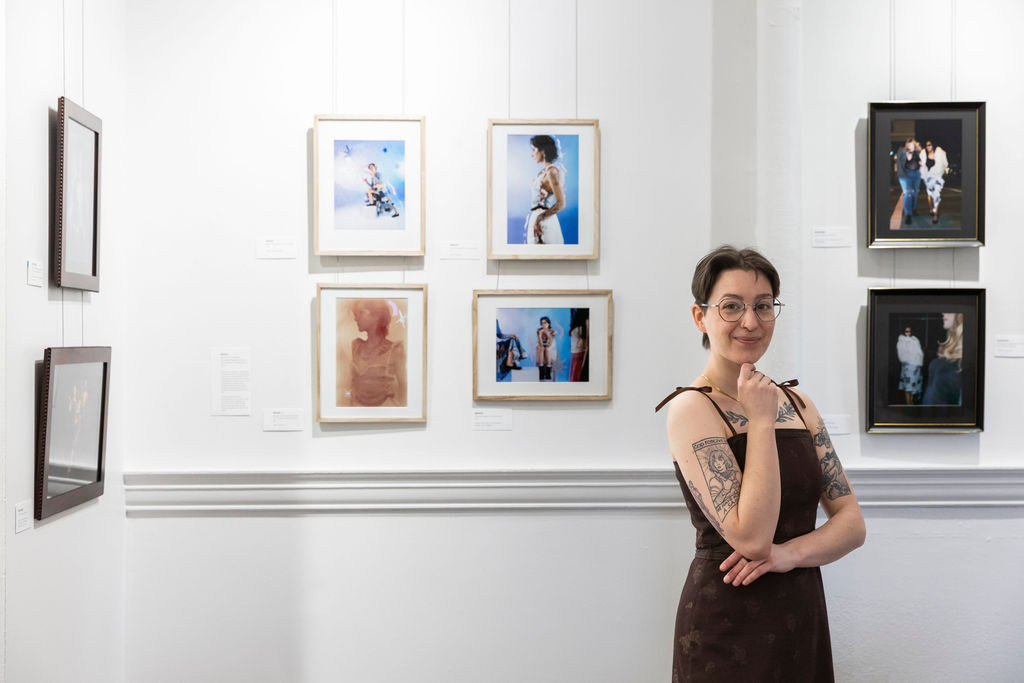
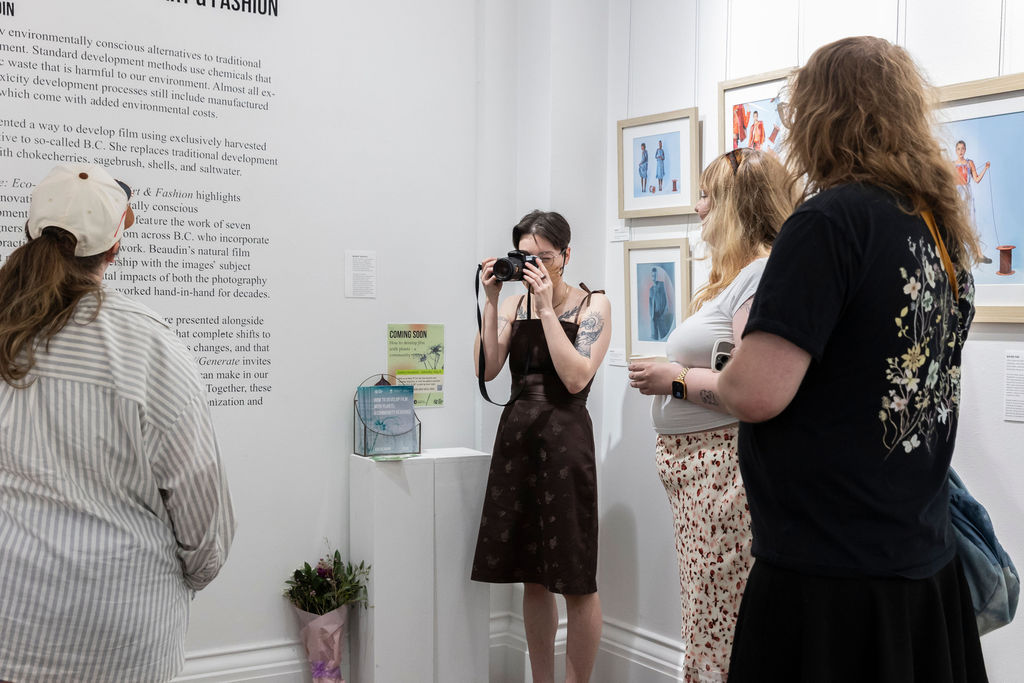
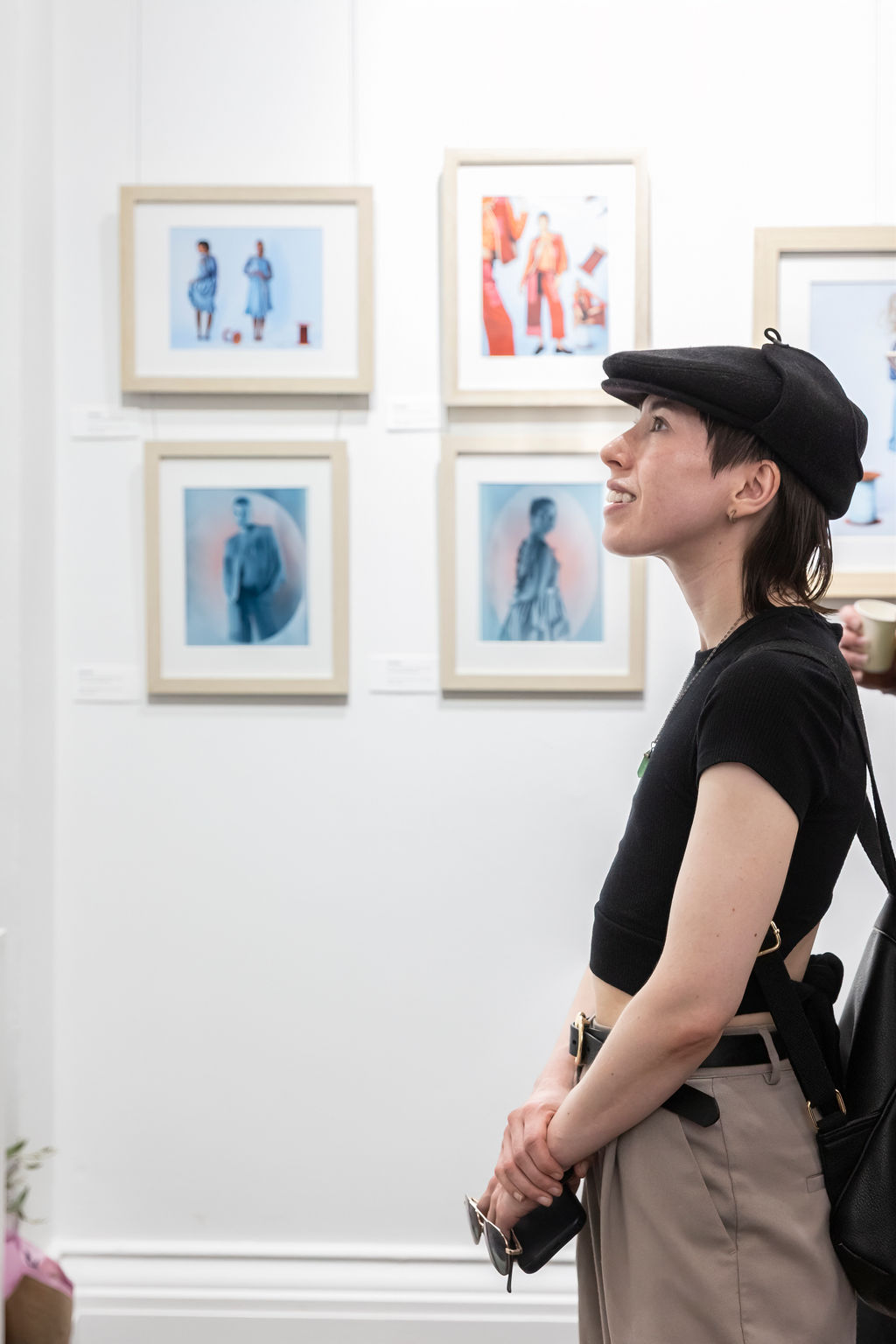
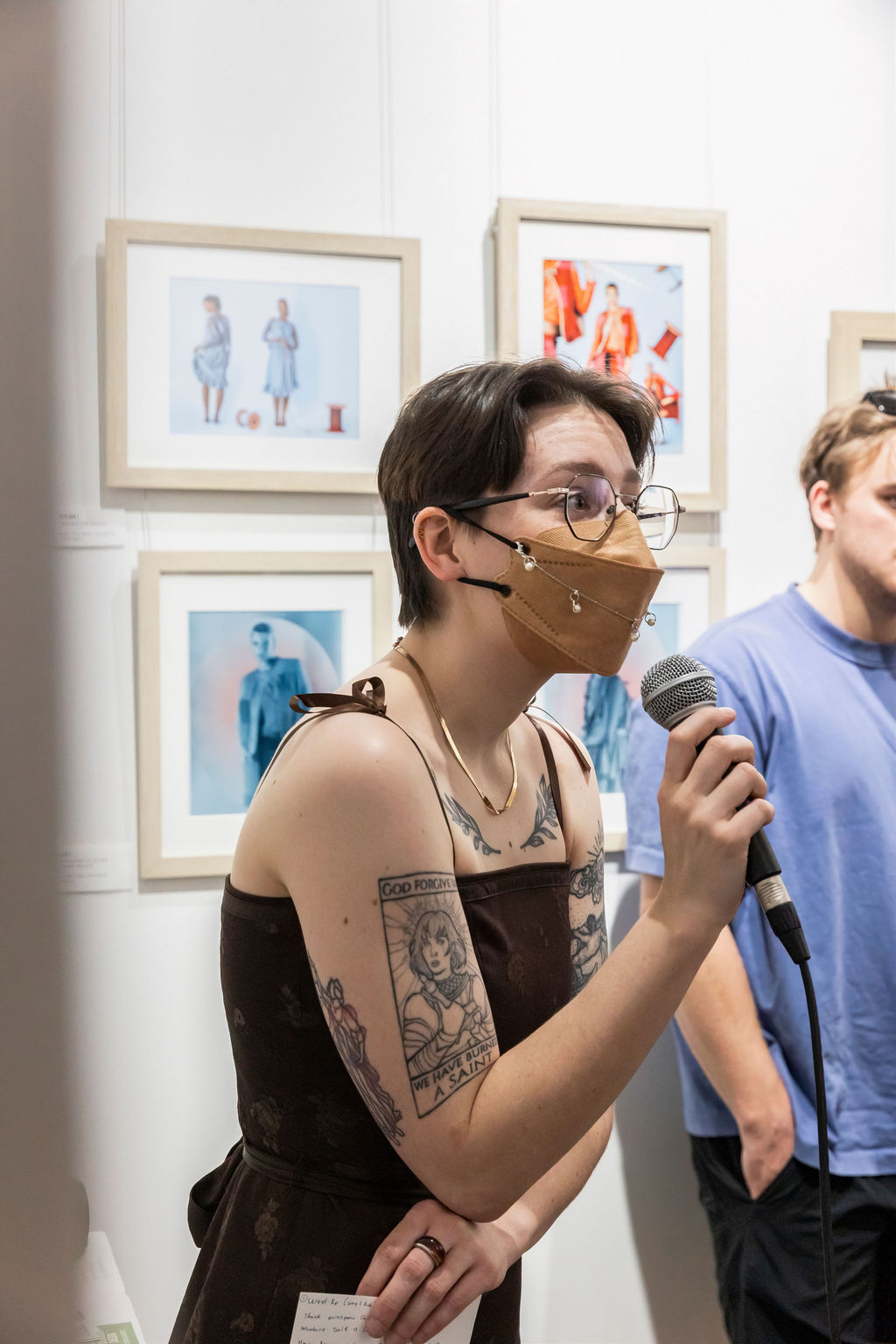
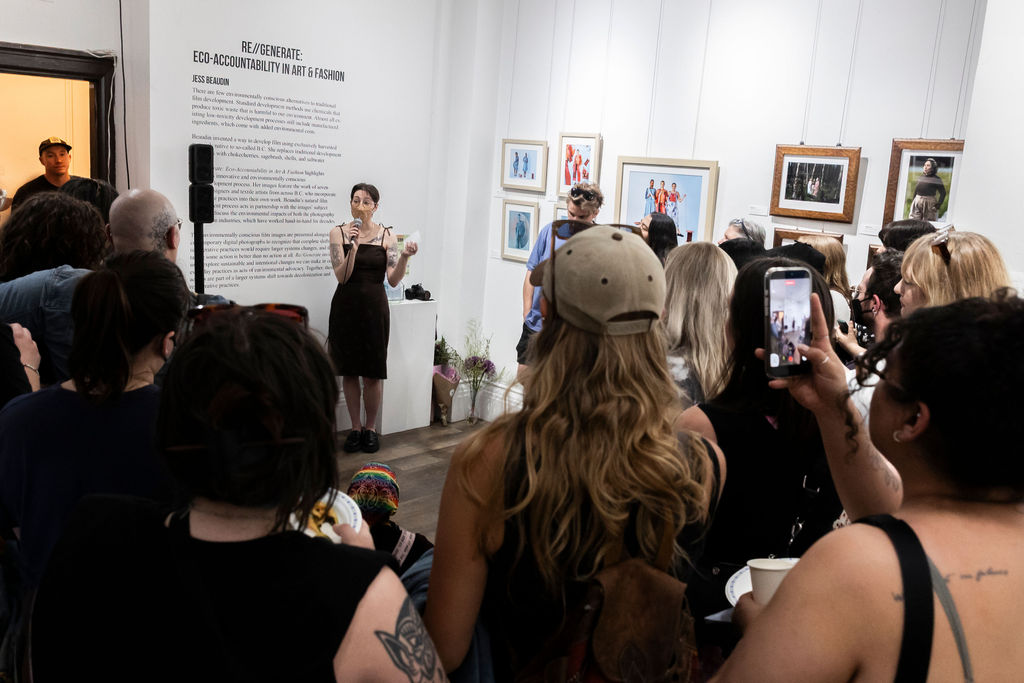
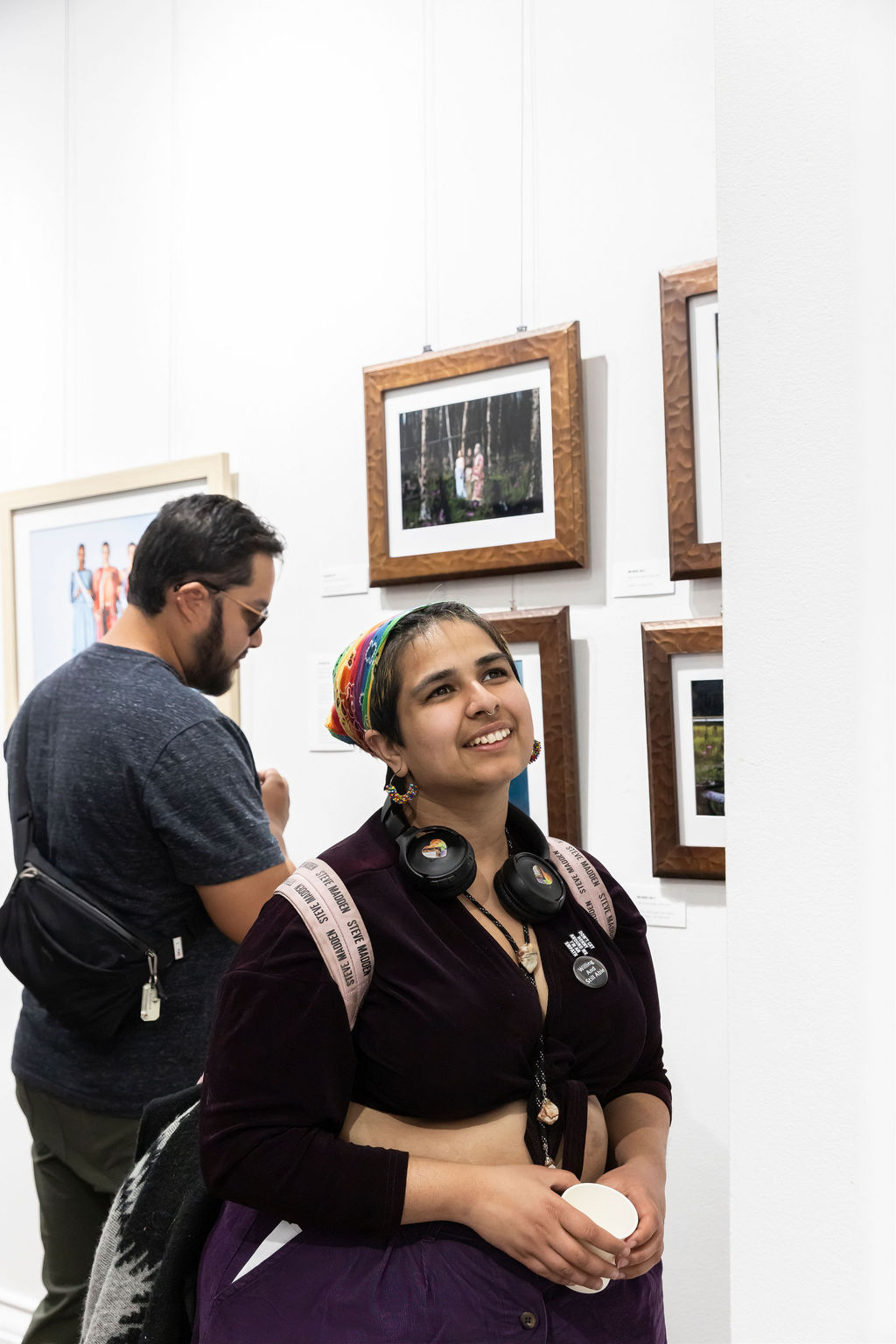
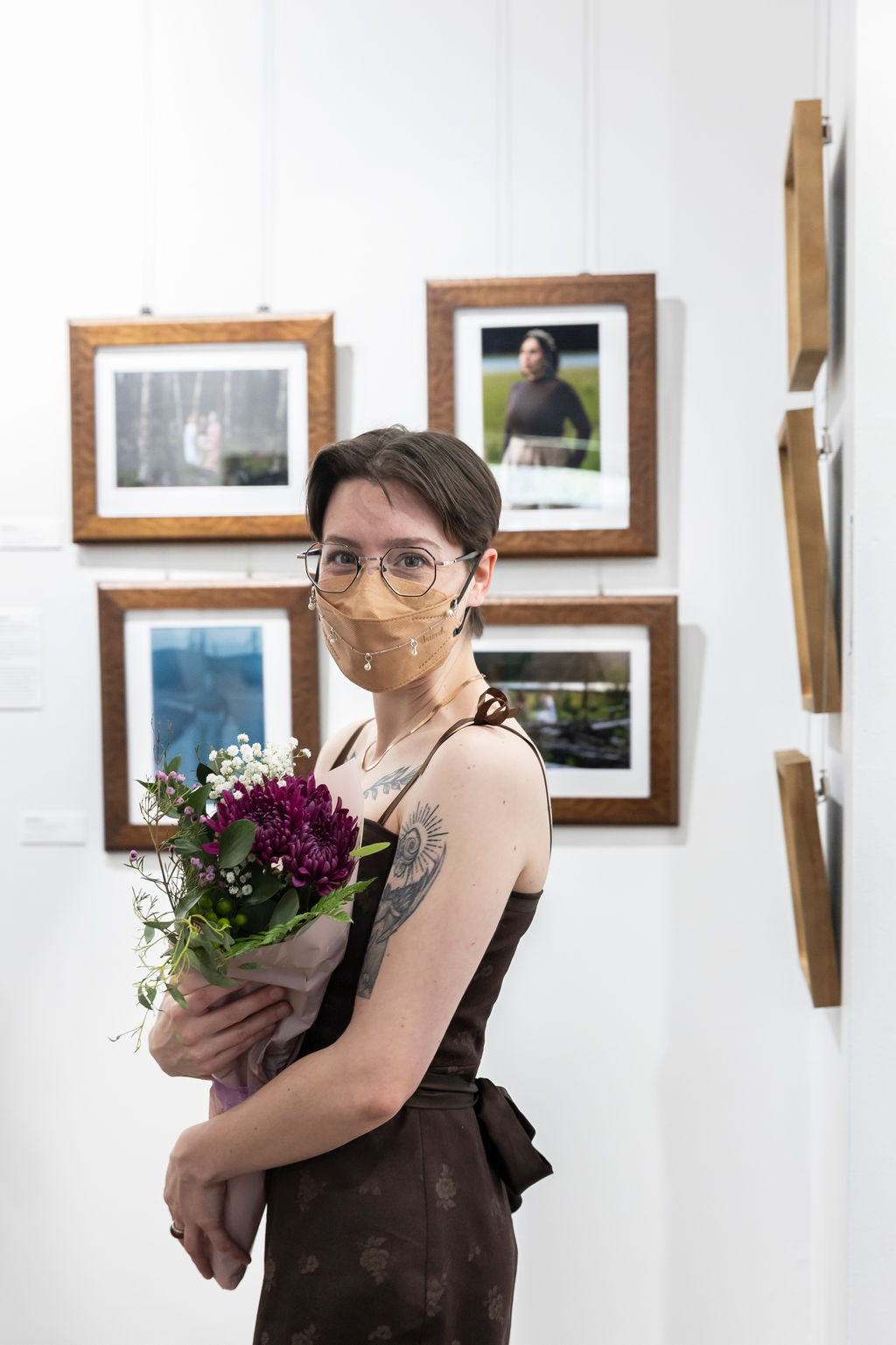
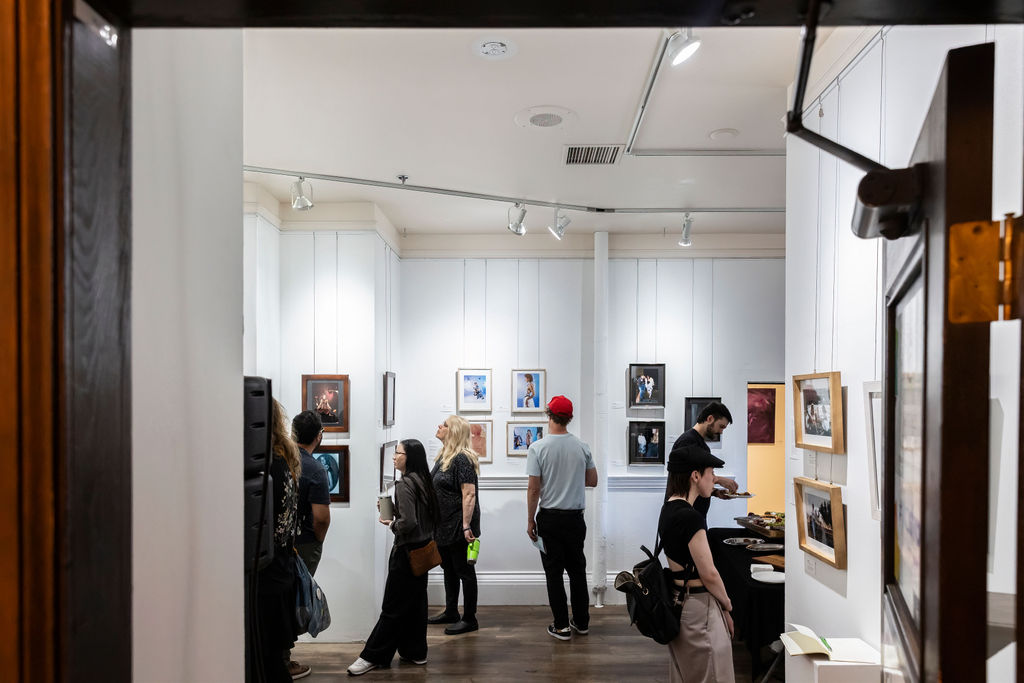
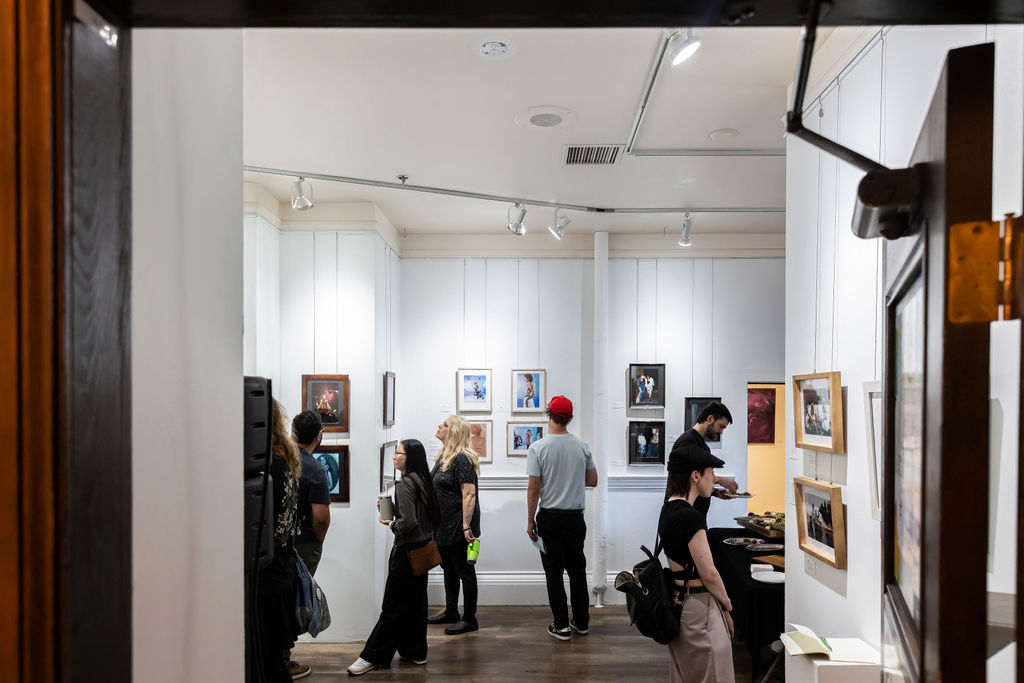
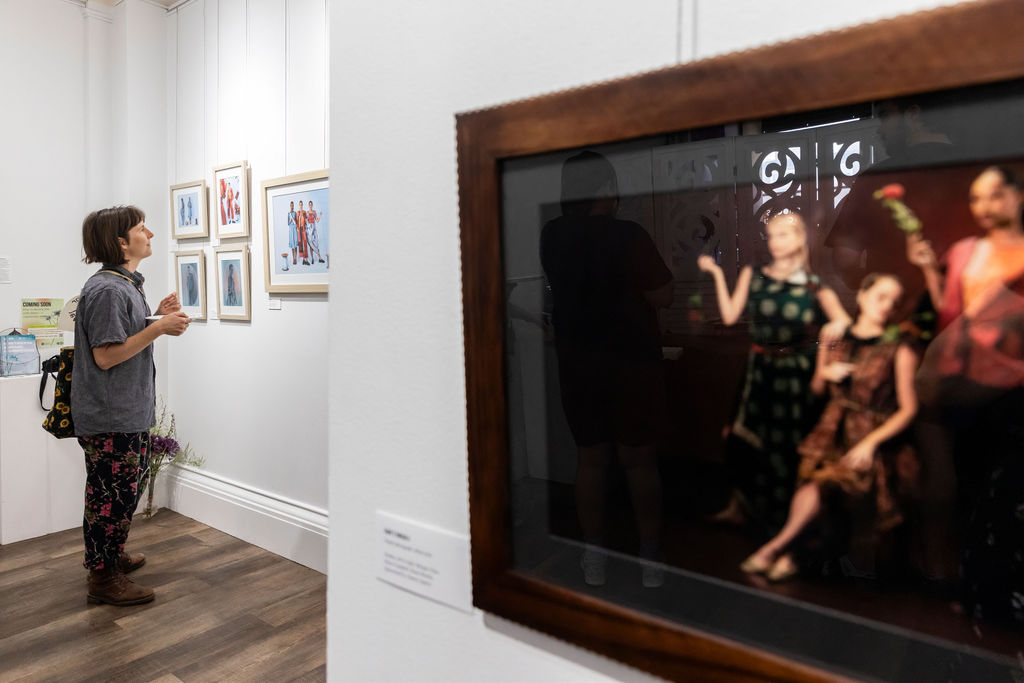
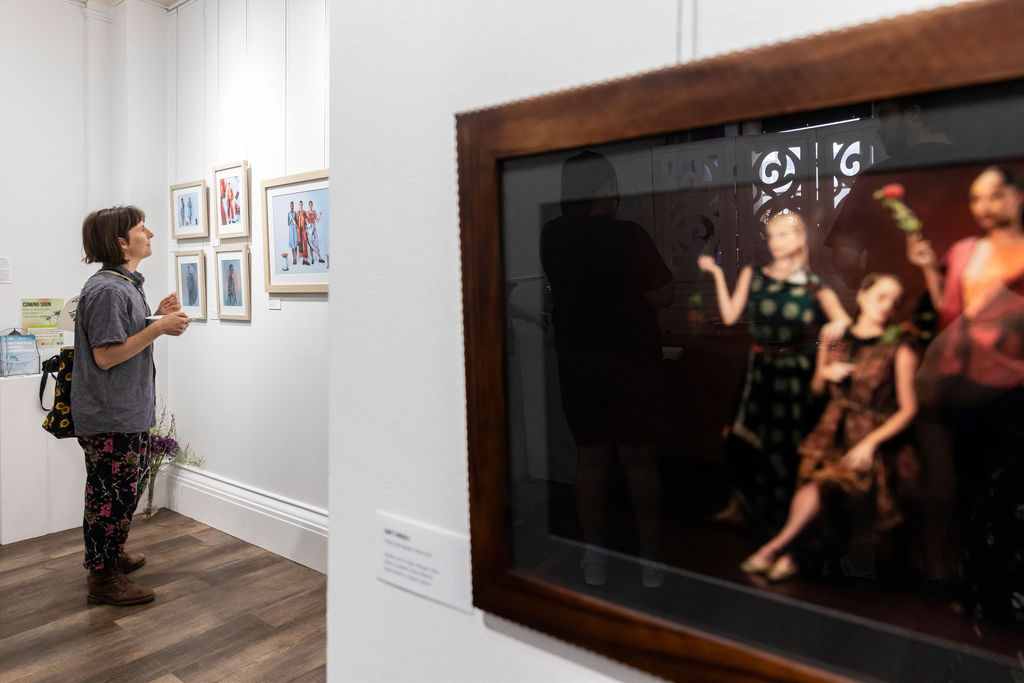
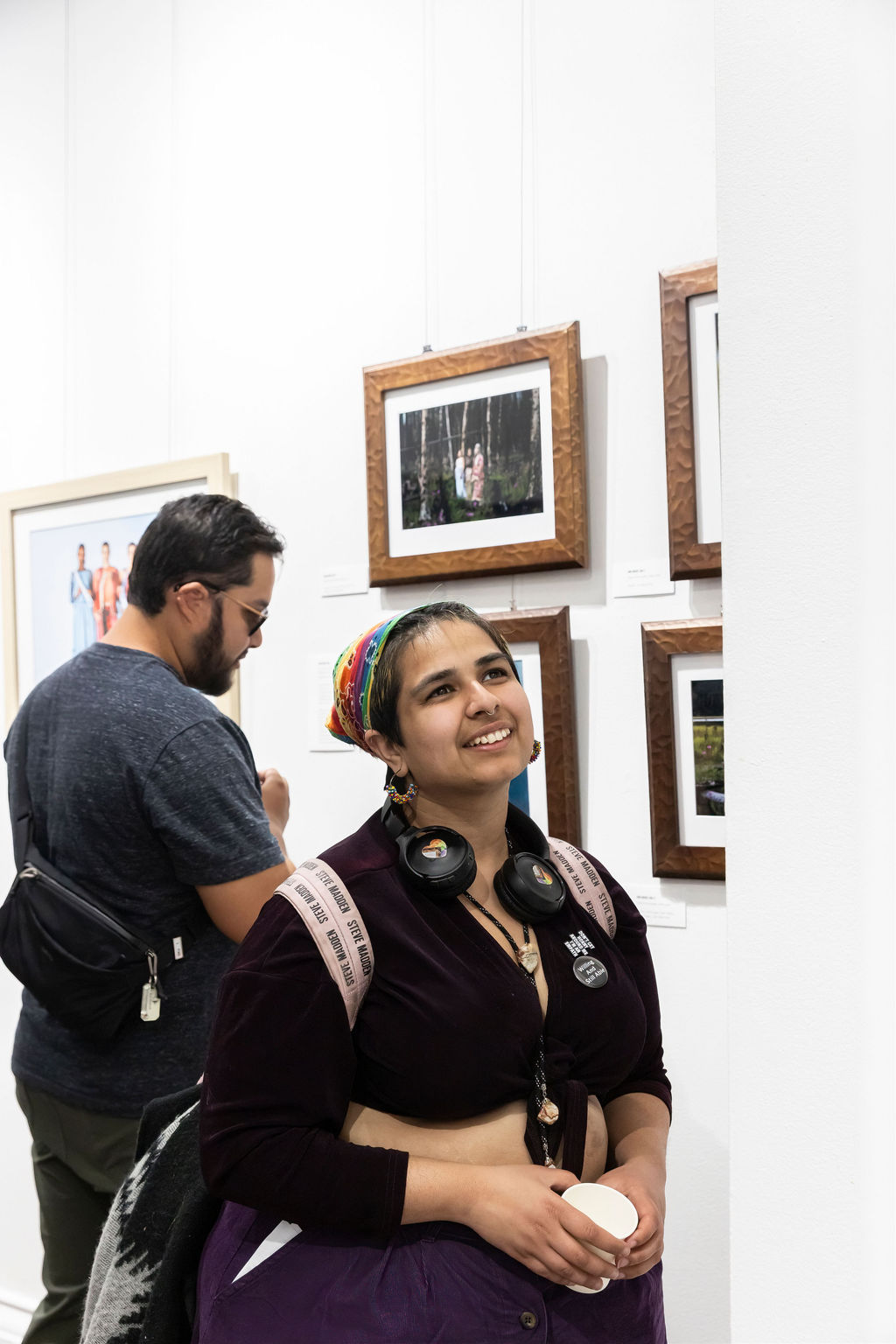
Re//Generate: Eco-Accountability in Art & Fashion highlights Beaudin’s innovative, environmentally conscious film-development process. Her images feature the work of seven female designers and textile artists from across B.C. who incorporate sustainable practices into their own work. Beaudin’s natural film development process acts in partnership with the images’ subject matter to discuss the environmental impacts of both the photography and fashion industries, which have worked hand-in-hand for decades.
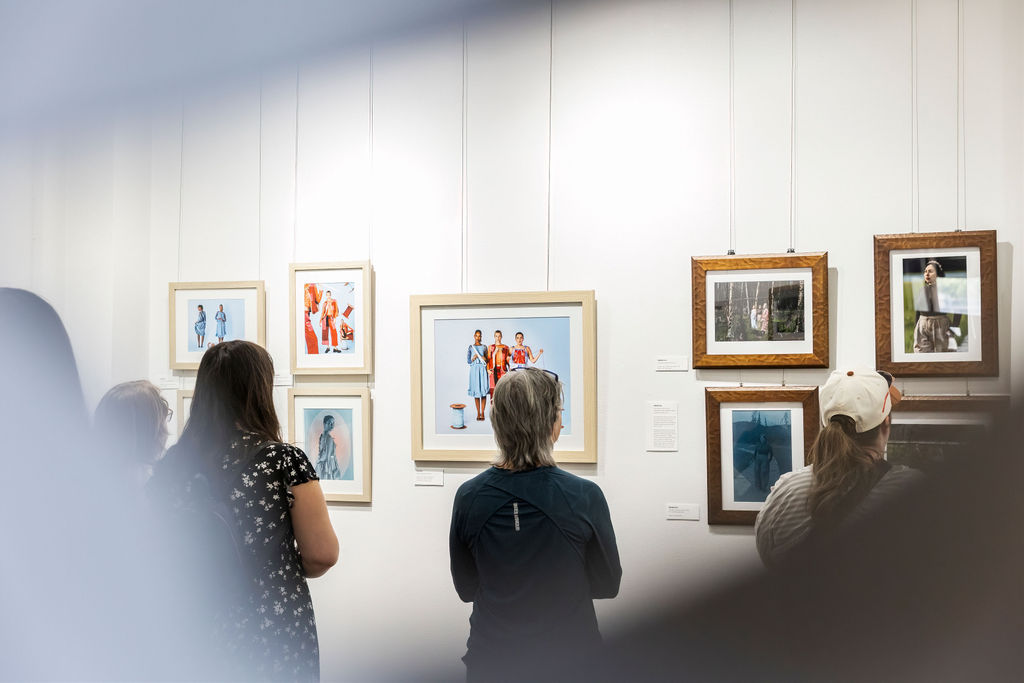
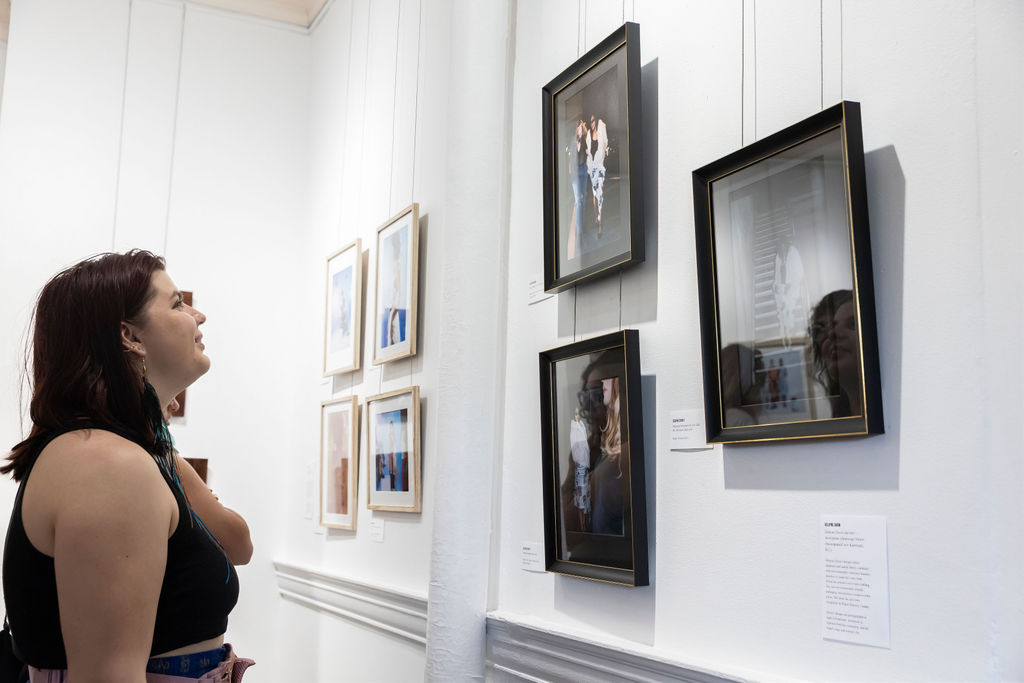
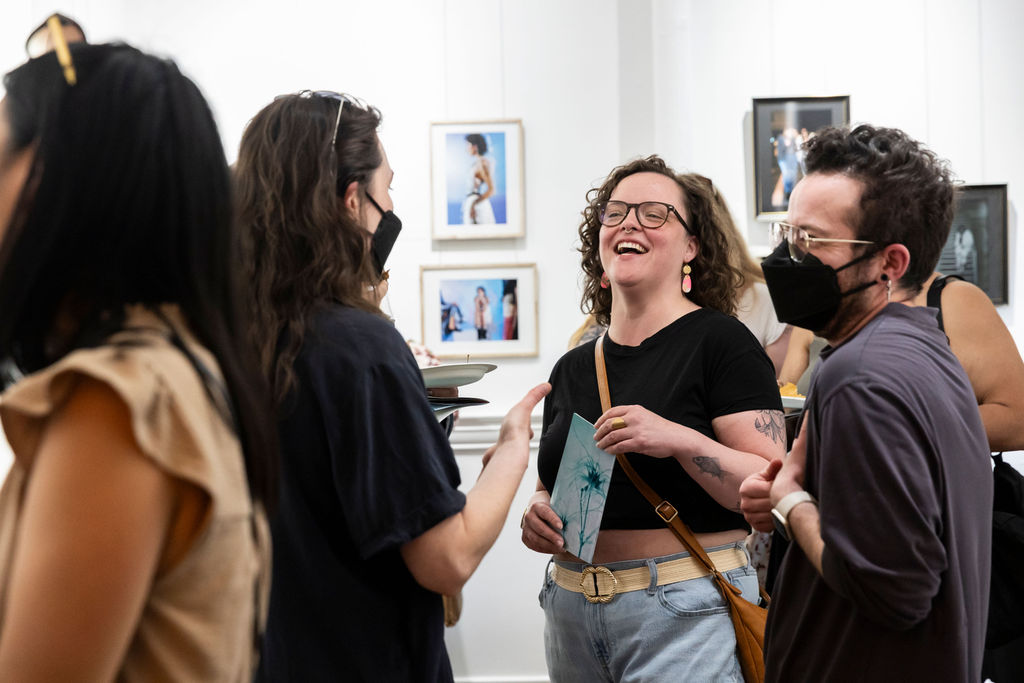
The environmentally conscious film images are presented alongside contemporary digital photographs to recognize that complete shifts to regenerative practices would require larger system changes, and that taking some action is better than no action at all. Re//Generate invites us to explore sustainable and intentional changes we can make in our everyday practices as acts of environmental advocacy. Together, these actions are part of a larger systems shift towards decolonization and regenerative practices.
Why we say “So-called B.C.”
The term “so-called” recognizes that the province of B.C. is situated on the traditional territories of Indigenous communities. This phrase calls into question the way land was colonized and whose authority determined the formation and naming of the province.
This gallery is located in Secwepemcúl̓ecw, the traditional land of the Secwépemc people, who have stewarded this land since time immemorial. Without this land and the people who lived in harmony with it before us, Re//Generate would not exist. May we all continue to deepen our relationship with the land and commit to decolonial and traditional practices to preserve our lands and cultures for those who will come after us.
Exhibition Gallery
Artist Statement
There are few environmentally conscious alternatives to traditional film development. Standard development methods use chemicals that produce toxic waste that is harmful to our environment. Almost all existing low-toxicity development processes still include manufactured ingredients, which come with added environmental costs.
Beaudin invented a way to develop film using exclusively harvested materials native to so-called B.C. She replaces traditional development chemicals with chokecherries, sagebrush, shells, and saltwater.
Re//Generate: Eco-Accountability in Art & Fashion highlights Beaudin’s innovative, environmentally conscious film-development process. Her images feature the work of seven female designers and textile artists from across B.C. who incorporate sustainable practices into their own work. Beaudin’s natural film development process acts in partnership with the images’ subject matter to discuss the environmental impacts of both the photography and fashion industries, which have worked hand-in-hand for decades.
The environmentally conscious film images are presented alongside contemporary digital photographs to recognize that complete shifts to regenerative practices would require larger system changes, and that taking some action is better than no action at all. Re//Generate invites us to explore sustainable and intentional changes we can make in our everyday practices as acts of environmental advocacy. Together, these actions are part of a larger systems shift towards decolonization and regenerative practices.
Why we say “So-called B.C.”
The term “so-called” recognizes that the province of B.C. is situated on the traditional territories of Indigenous communities. This phrase calls into question the way land was colonized and whose authority determined the formation and naming of the province.
This gallery is located in Secwepemcúl̓ecw, the traditional land of the Secwépemc people, who have stewarded this land since time immemorial. Without this land and the people who lived in harmony with it before us, Re//Generate would not exist. May we all continue to deepen our relationship with the land and commit to decolonial and traditional practices to preserve our lands and cultures for those who will come after us.
Exhibition Gallery
Artist Statement
There are few environmentally conscious alternatives to traditional film development. Standard development methods use chemicals that produce toxic waste that is harmful to our environment. Almost all existing low-toxicity development processes still include manufactured ingredients, which come with added environmental costs.
Beaudin invented a way to develop film using exclusively harvested materials native to so-called B.C. She replaces traditional development chemicals with chokecherries, sagebrush, shells, and saltwater.
Re//Generate: Eco-Accountability in Art & Fashion highlights Beaudin’s innovative, environmentally conscious film-development process. Her images feature the work of seven female designers and textile artists from across B.C. who incorporate sustainable practices into their own work. Beaudin’s natural film development process acts in partnership with the images’ subject matter to discuss the environmental impacts of both the photography and fashion industries, which have worked hand-in-hand for decades.
The environmentally conscious film images are presented alongside contemporary digital photographs to recognize that complete shifts to regenerative practices would require larger system changes, and that taking some action is better than no action at all. Re//Generate invites us to explore sustainable and intentional changes we can make in our everyday practices as acts of environmental advocacy. Together, these actions are part of a larger systems shift towards decolonization and regenerative practices.
Artist Statement
There are few environmentally conscious alternatives to traditional film development. Standard development methods use chemicals that produce toxic waste that is harmful to our environment. Almost all existing low-toxicity development processes still include manufactured ingredients, which come with added environmental costs.
Beaudin invented a way to develop film using exclusively harvested materials native to so-called B.C. She replaces traditional development chemicals with chokecherries, sagebrush, shells, and saltwater.
Re//Generate: Eco-Accountability in Art & Fashion highlights Beaudin’s innovative, environmentally conscious film-development process. Her images feature the work of seven female designers and textile artists from across B.C. who incorporate sustainable practices into their own work. Beaudin’s natural film development process acts in partnership with the images’ subject matter to discuss the environmental impacts of both the photography and fashion industries, which have worked hand-in-hand for decades.
The environmentally conscious film images are presented alongside contemporary digital photographs to recognize that complete shifts to regenerative practices would require larger system changes, and that taking some action is better than no action at all. Re//Generate invites us to explore sustainable and intentional changes we can make in our everyday practices as acts of environmental advocacy. Together, these actions are part of a larger systems shift towards decolonization and regenerative practices.
Artist Statement
There are few environmentally conscious alternatives to traditional film development. Standard development methods use chemicals that produce toxic waste that is harmful to our environment. Almost all existing low-toxicity development processes still include manufactured ingredients, which come with added environmental costs.
Beaudin invented a way to develop film using exclusively harvested materials native to so-called B.C. She replaces traditional development chemicals with chokecherries, sagebrush, shells, and saltwater.
Re//Generate: Eco-Accountability in Art & Fashion highlights Beaudin’s innovative, environmentally conscious film-development process. Her images feature the work of seven female designers and textile artists from across B.C. who incorporate sustainable practices into their own work. Beaudin’s natural film development process acts in partnership with the images’ subject matter to discuss the environmental impacts of both the photography and fashion industries, which have worked hand-in-hand for decades.
The environmentally conscious film images are presented alongside contemporary digital photographs to recognize that complete shifts to regenerative practices would require larger system changes, and that taking some action is better than no action at all. Re//Generate invites us to explore sustainable and intentional changes we can make in our everyday practices as acts of environmental advocacy. Together, these actions are part of a larger systems shift towards decolonization and regenerative practices.
Why we say “So-called B.C.”
The term “so-called” recognizes that the province of B.C. is situated on the traditional territories of Indigenous communities. This phrase calls into question the way land was colonized and whose authority determined the formation and naming of the province.
This gallery is located in Secwepemcúl̓ecw, the traditional land of the Secwépemc people, who have stewarded this land since time immemorial. Without this land and the people who lived in harmony with it before us, Re//Generate would not exist. May we all continue to deepen our relationship with the land and commit to decolonial and traditional practices to preserve our lands and cultures for those who will come after us.
View the ArtWork
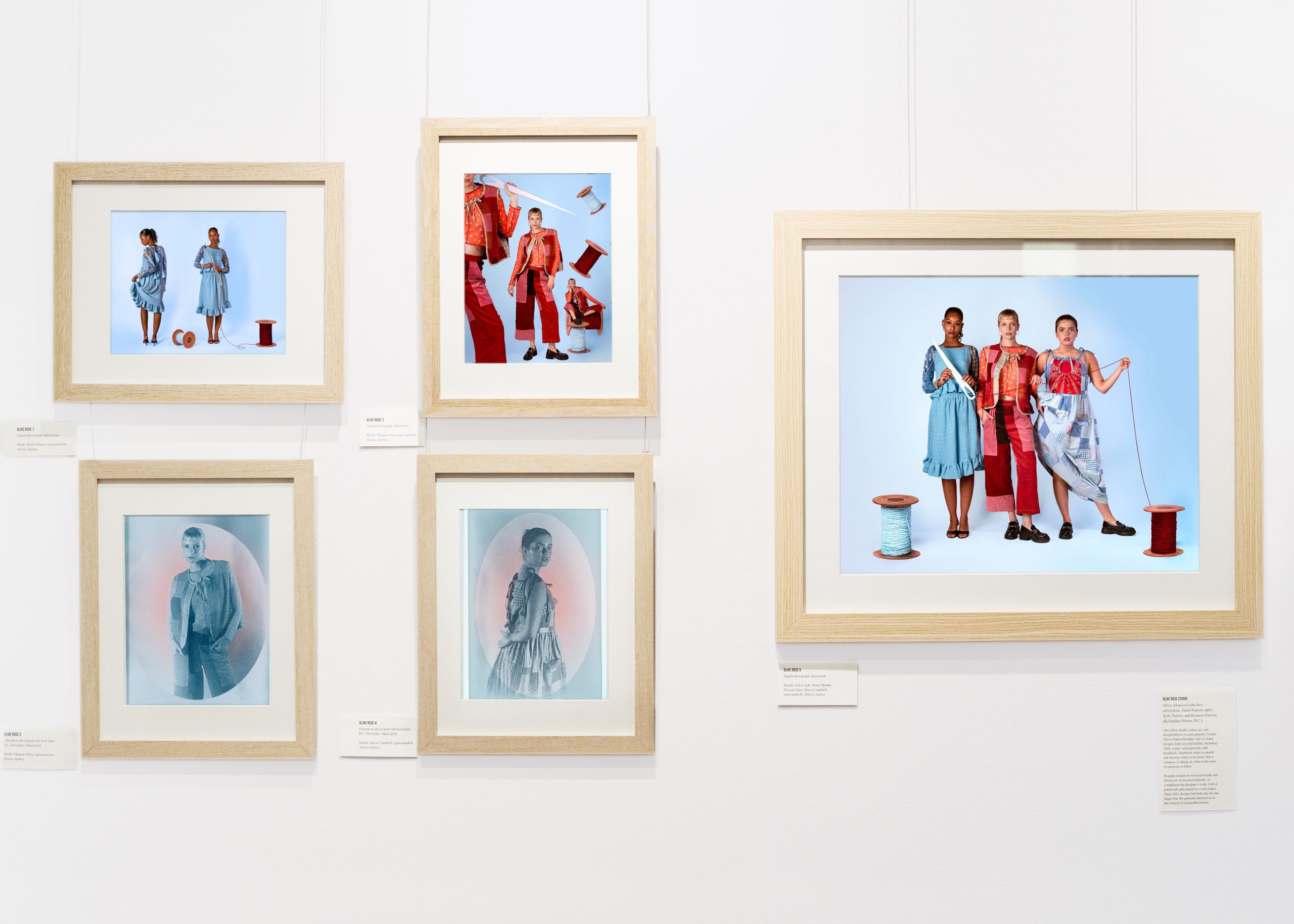
Olive Rose Studio
Olivia Mansveld (she/her) — sn̓ʕay̓čkstx, Sinixt Nation; sqilxʷ, Syilx Nation; and Ktunaxa Nations (Ky̓ʕamlúp Nelson, B.C.)
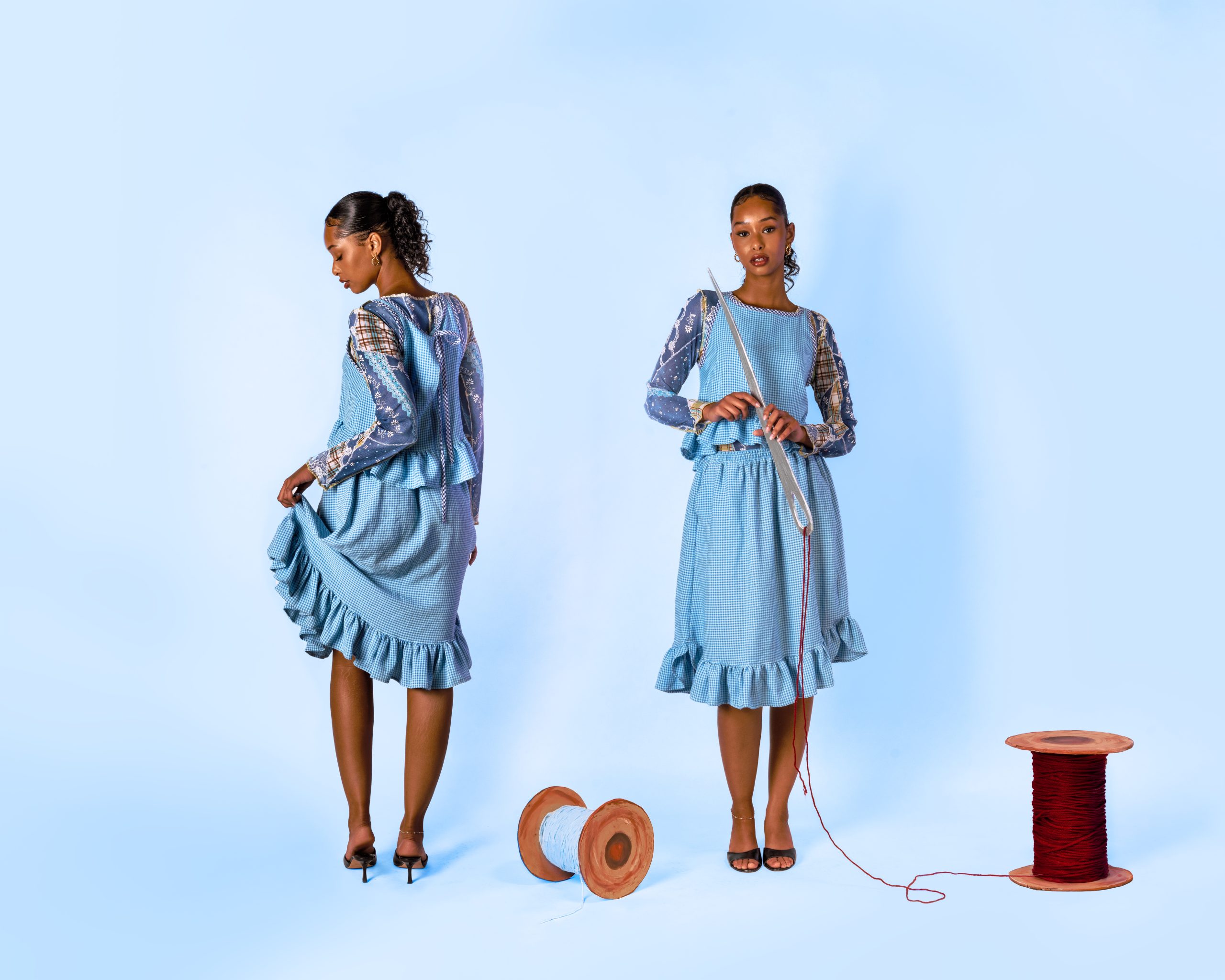
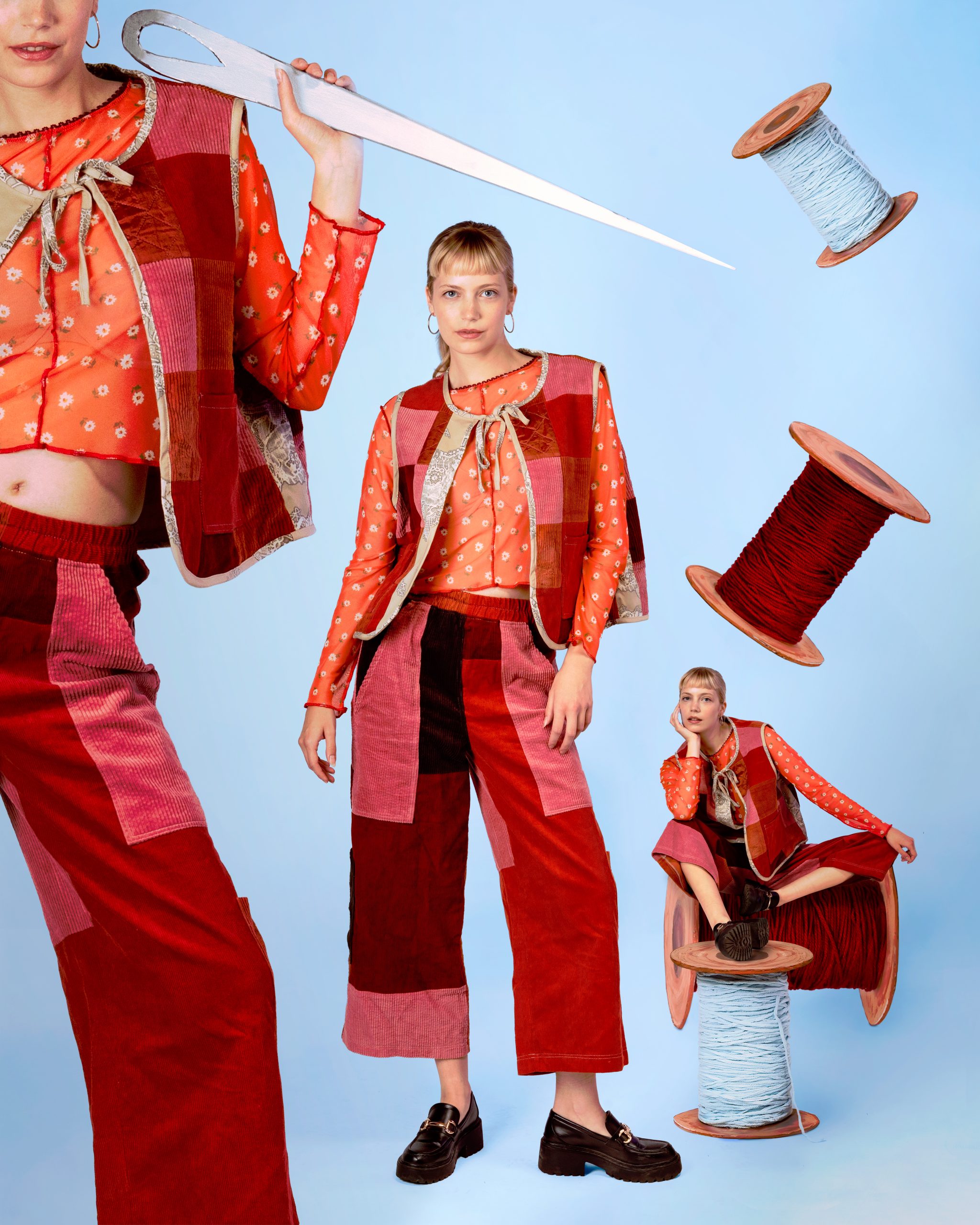
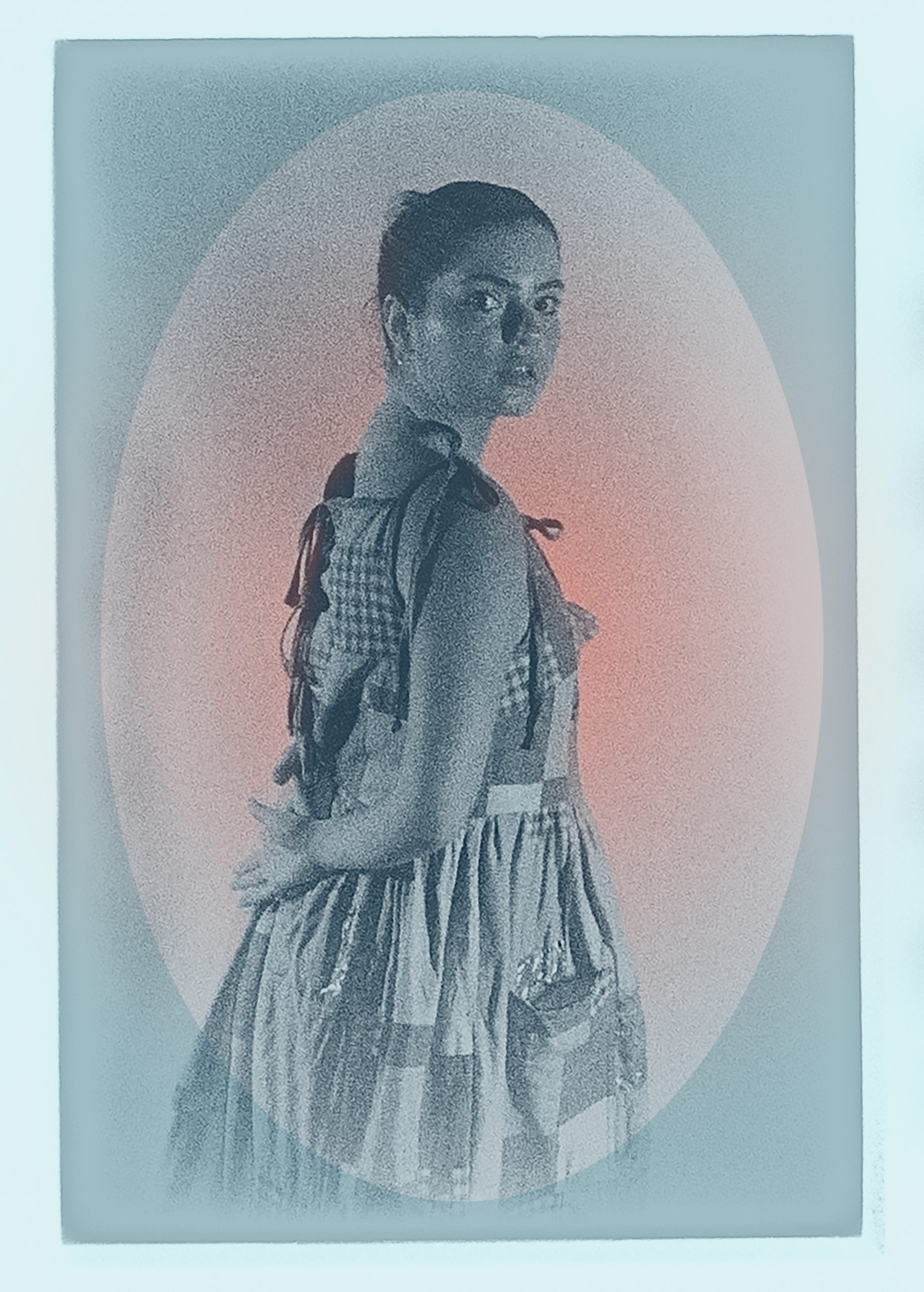
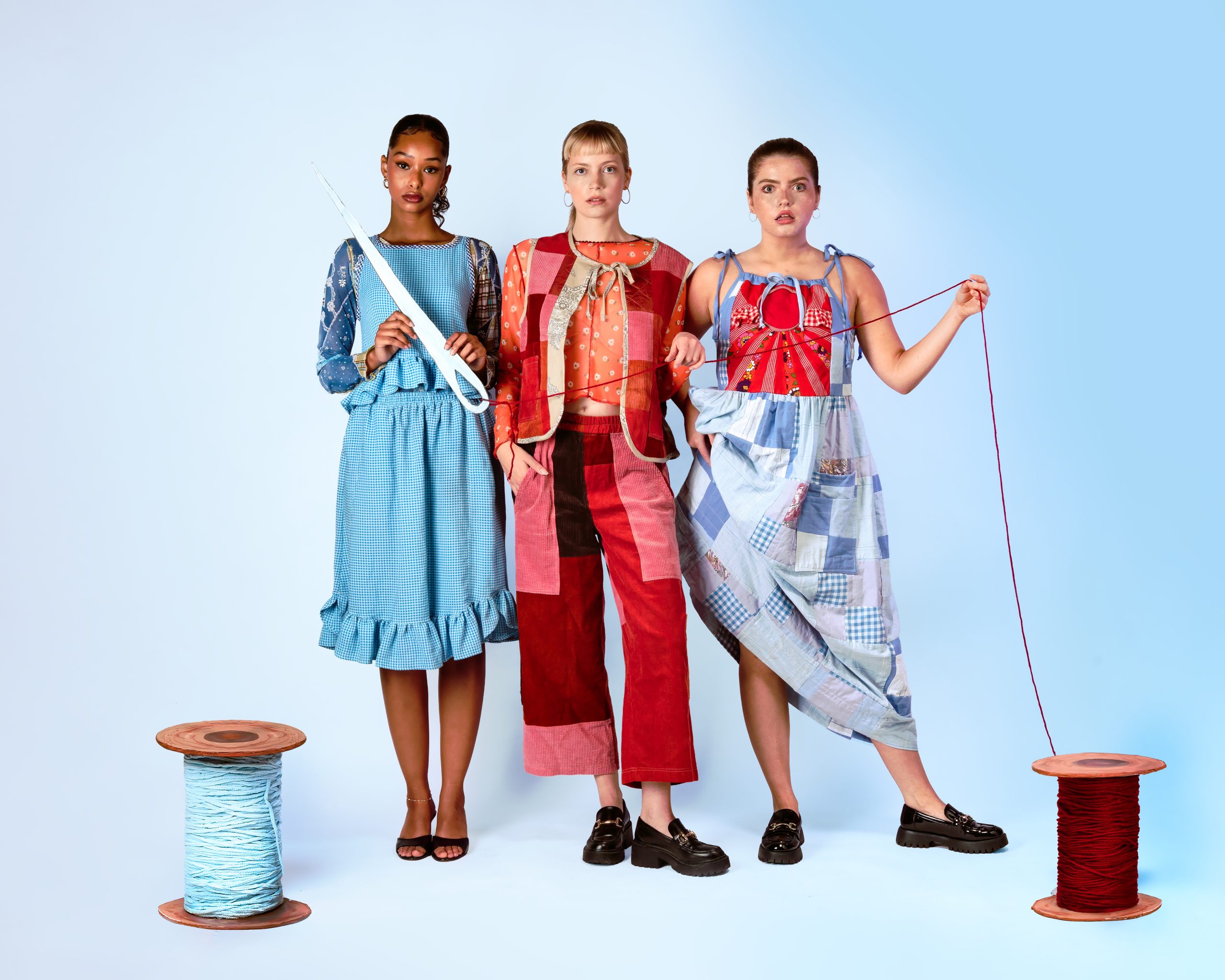
Olive Rose Studio centres joy and thoughtfulness in each garment. Creator Olivia Mansveld makes one of a kind designs from recycled textiles, including fabric scraps, used garments, and deadstock. Deadstock refers to unsold and obsolete stock or inventory that a company is sitting on; often in the form of garments or fabric.
Beaudin created an oversized needle and thread out of recycled materials to compliment the designer’s work. Full of patchwork and created by a solo maker, Mansveld’s designs feel both playful and larger than the garments themselves in the context of sustainable fashion.
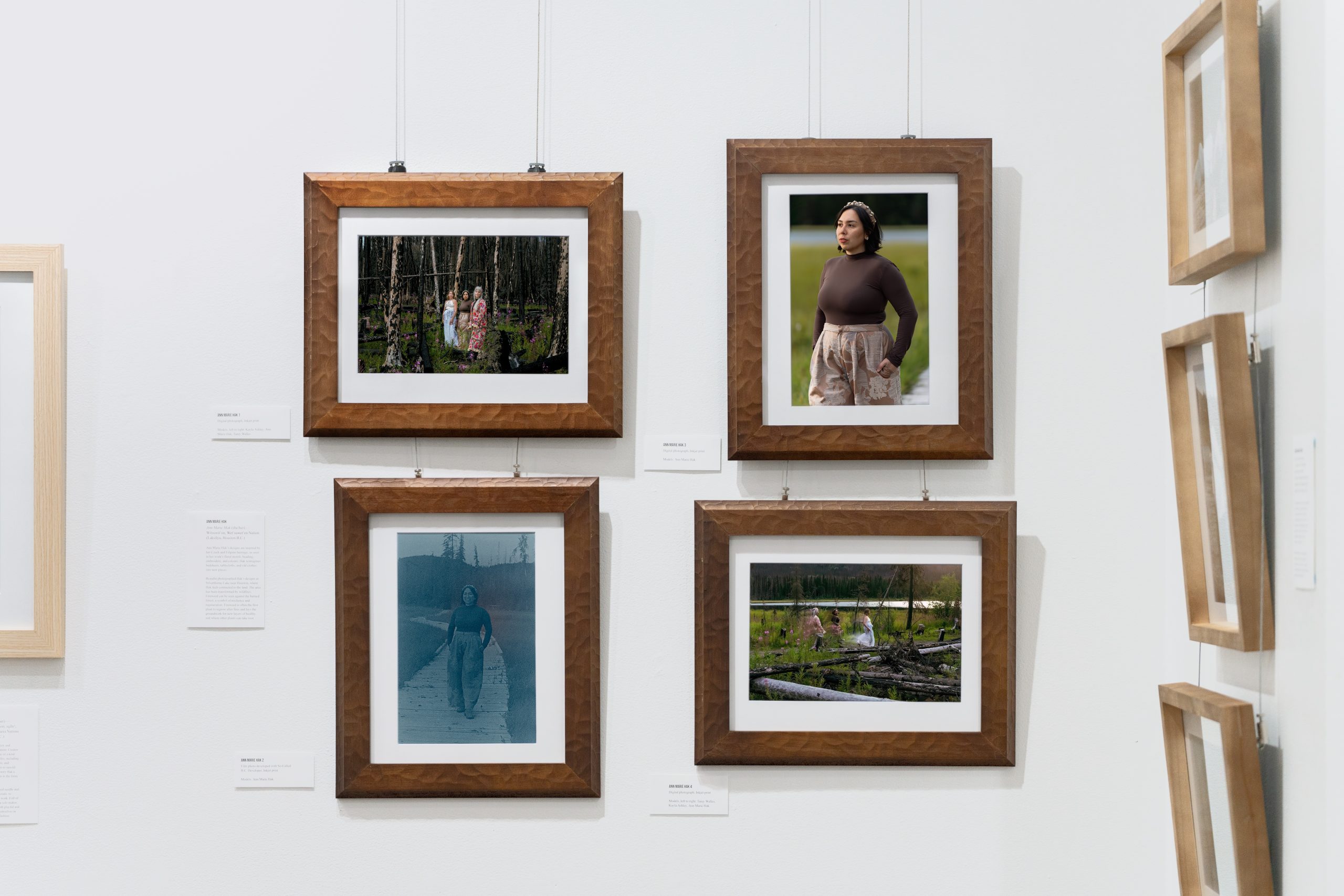
Ann Marie Hak
Ann Marie Mak (she/her) — Witsuwitʼen, Wet’suwet’en Nation (Laksilyu, Houston B.C.)
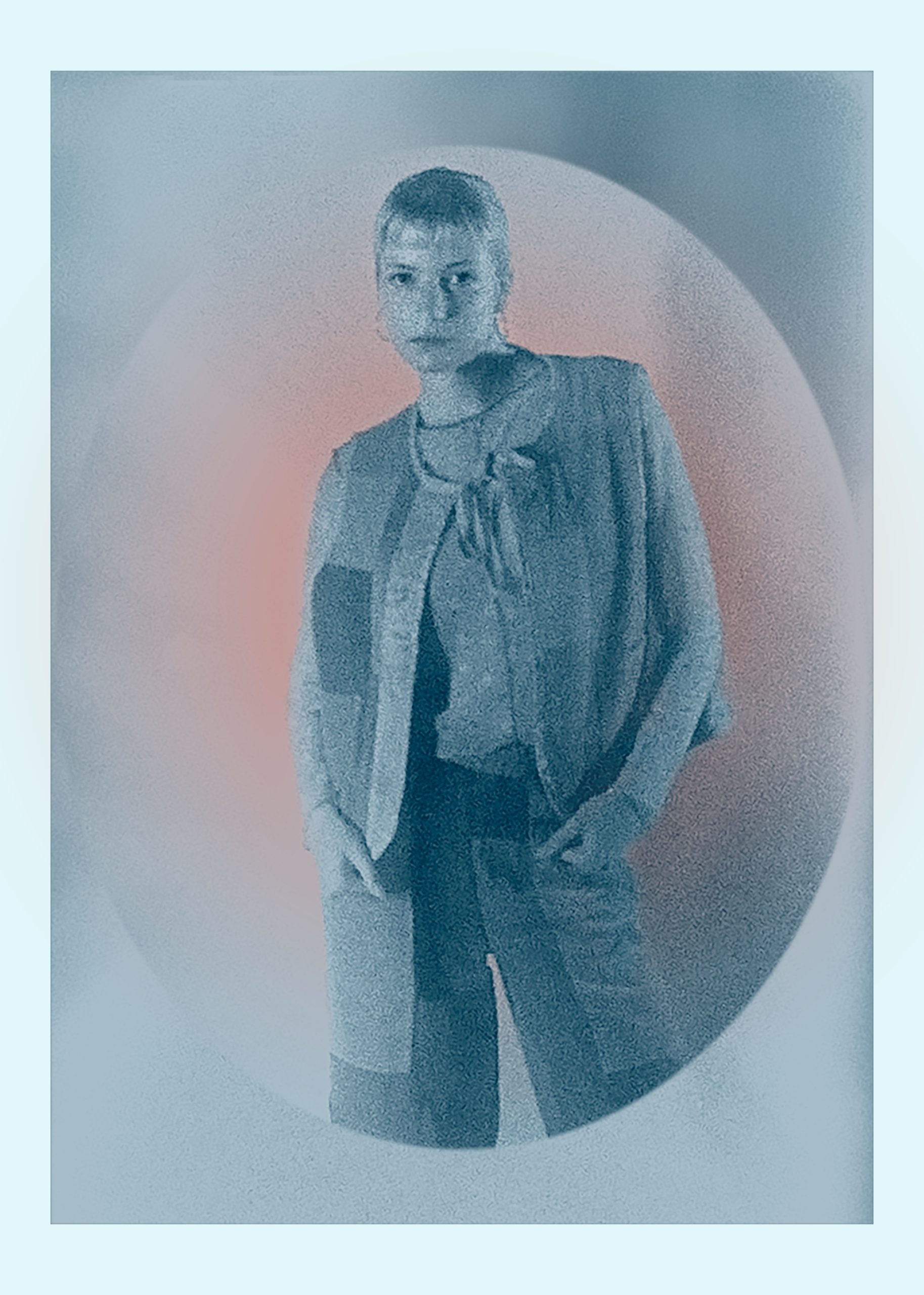
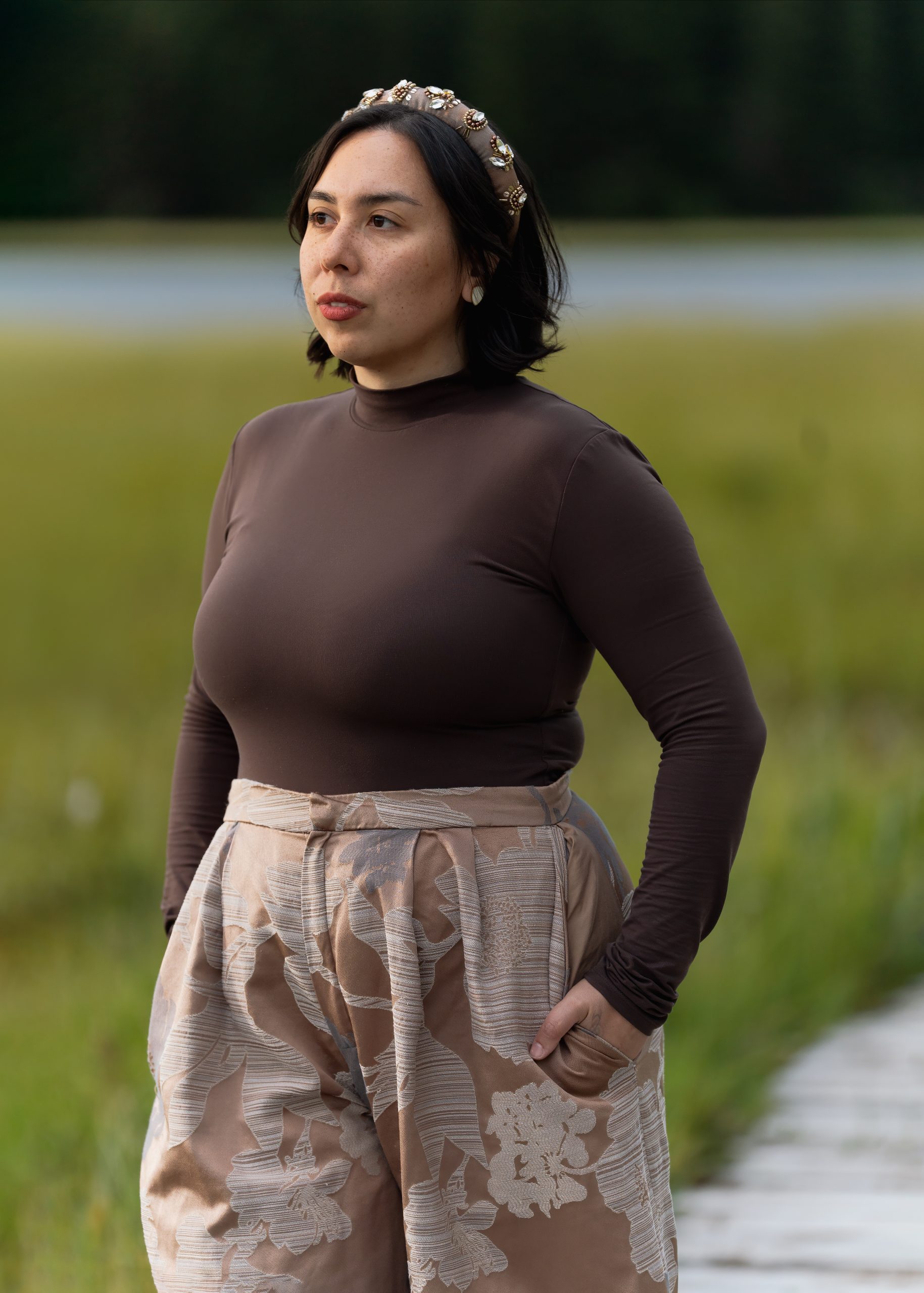
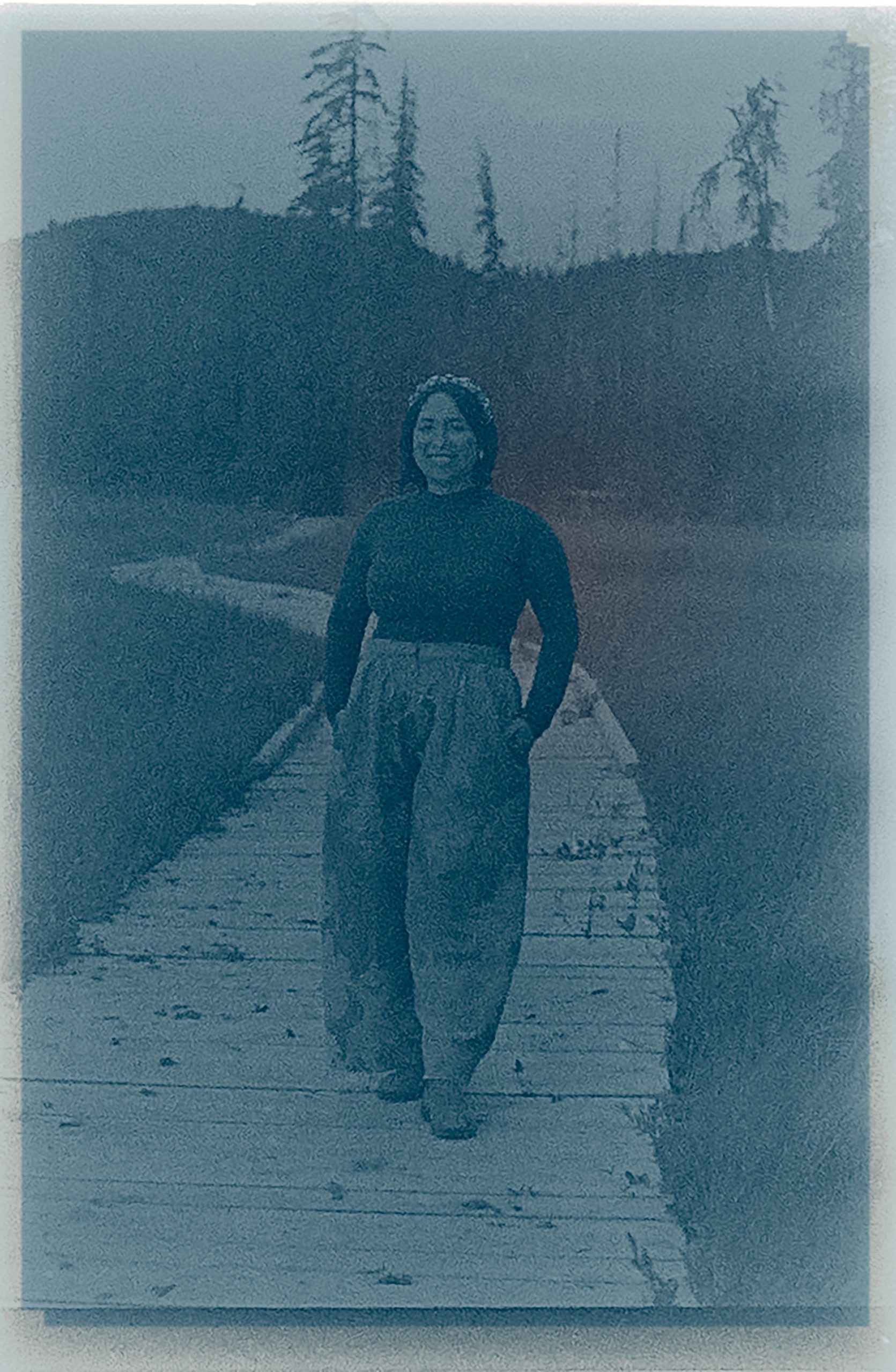
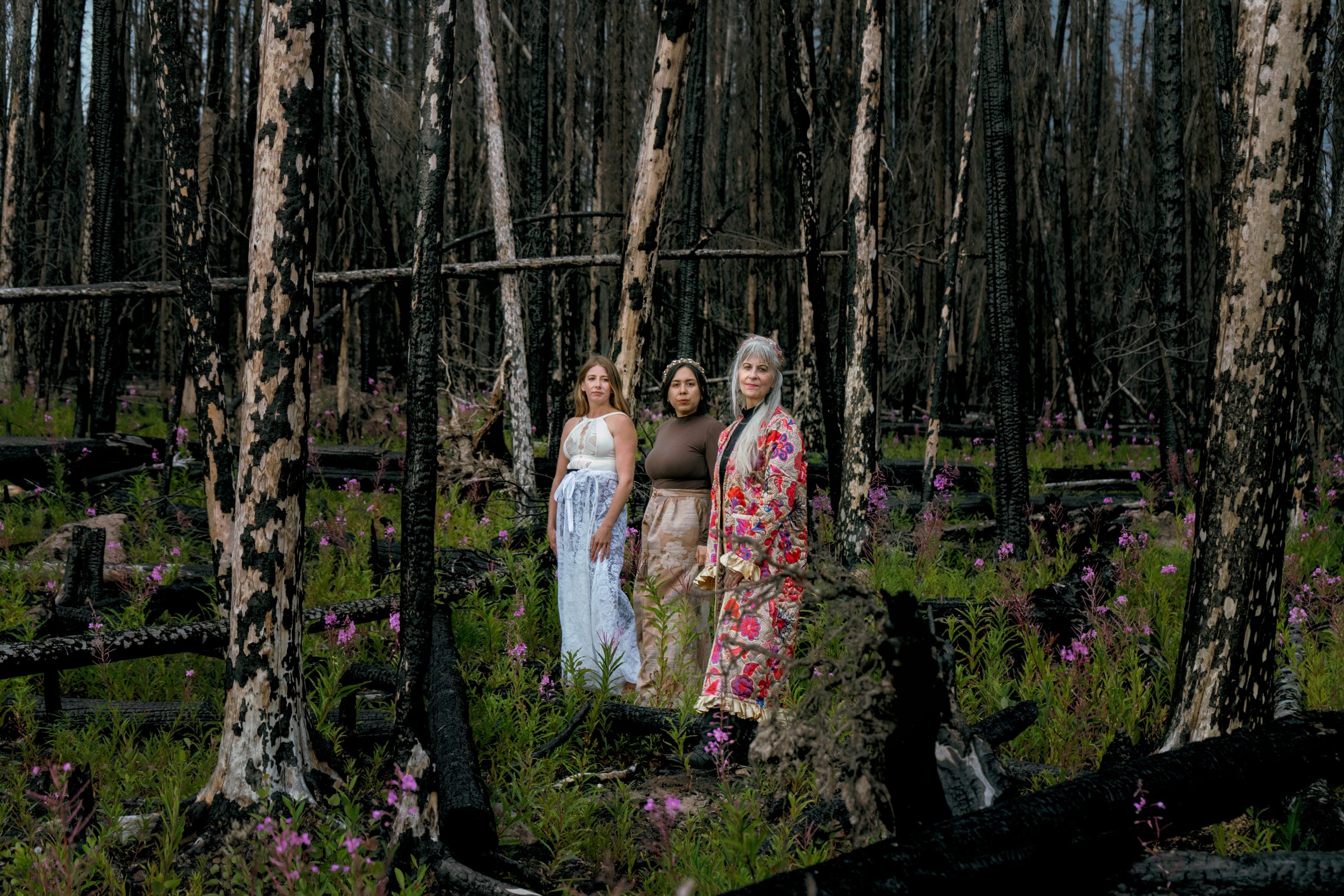
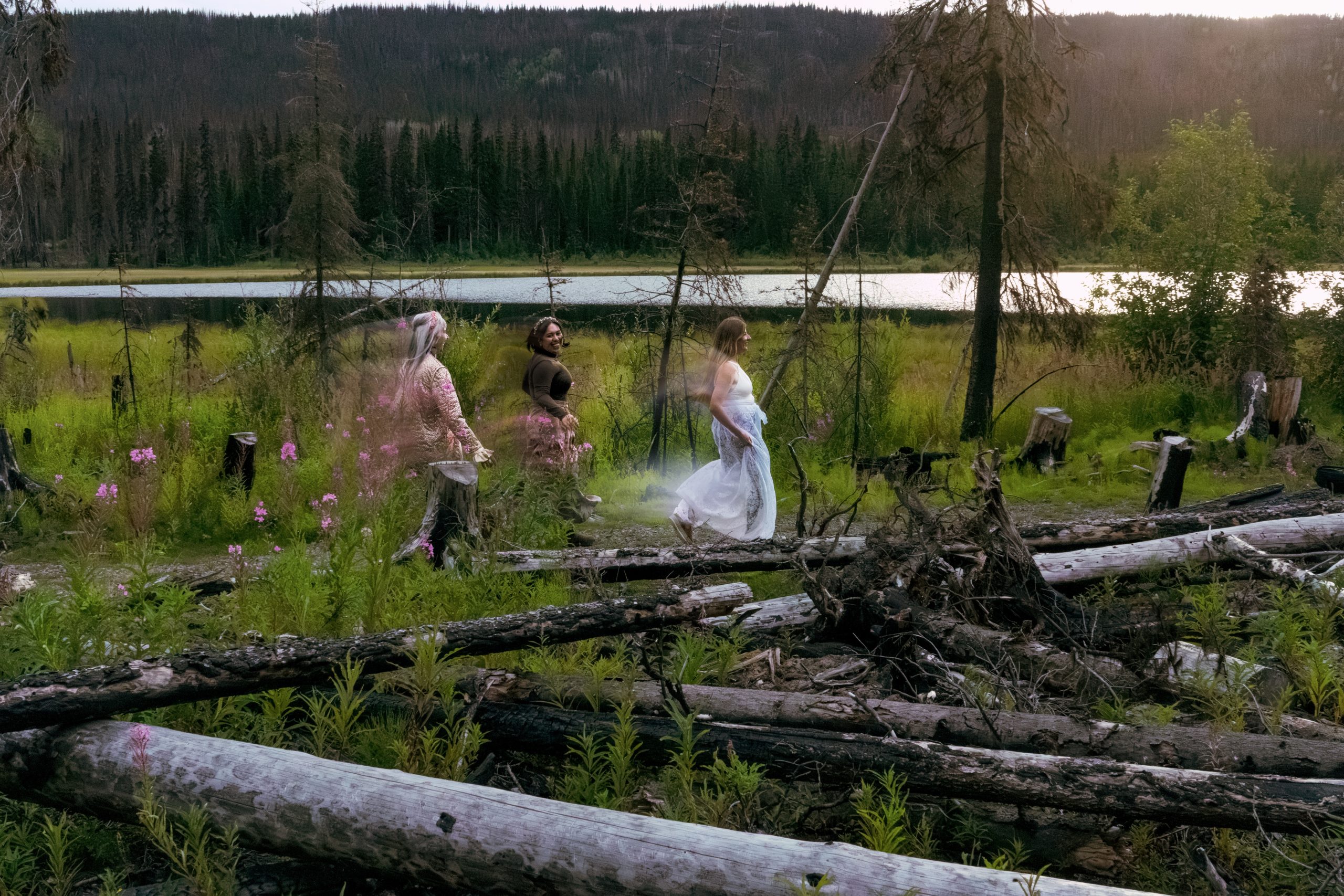
Ann Marie Hak’s designs are inspired by her Czech and Filipino heritage, as seen in her work’s floral motifs, beading, embroidery, and colours. Hak reimagines bedsheets, tablecloths, and old clothes into new pieces.
Beaudin photographed Hak’s designs at Silverthorne Lake near Houston, where Hak feels connected to the land. The area has been transformed by wildfires. Fireweed can be seen against the burned forest; a symbol of resilience and regeneration. Fireweed is often the first plant to regrow after fires and lays the groundwork for new layers of healthy soil where other plants can take root.
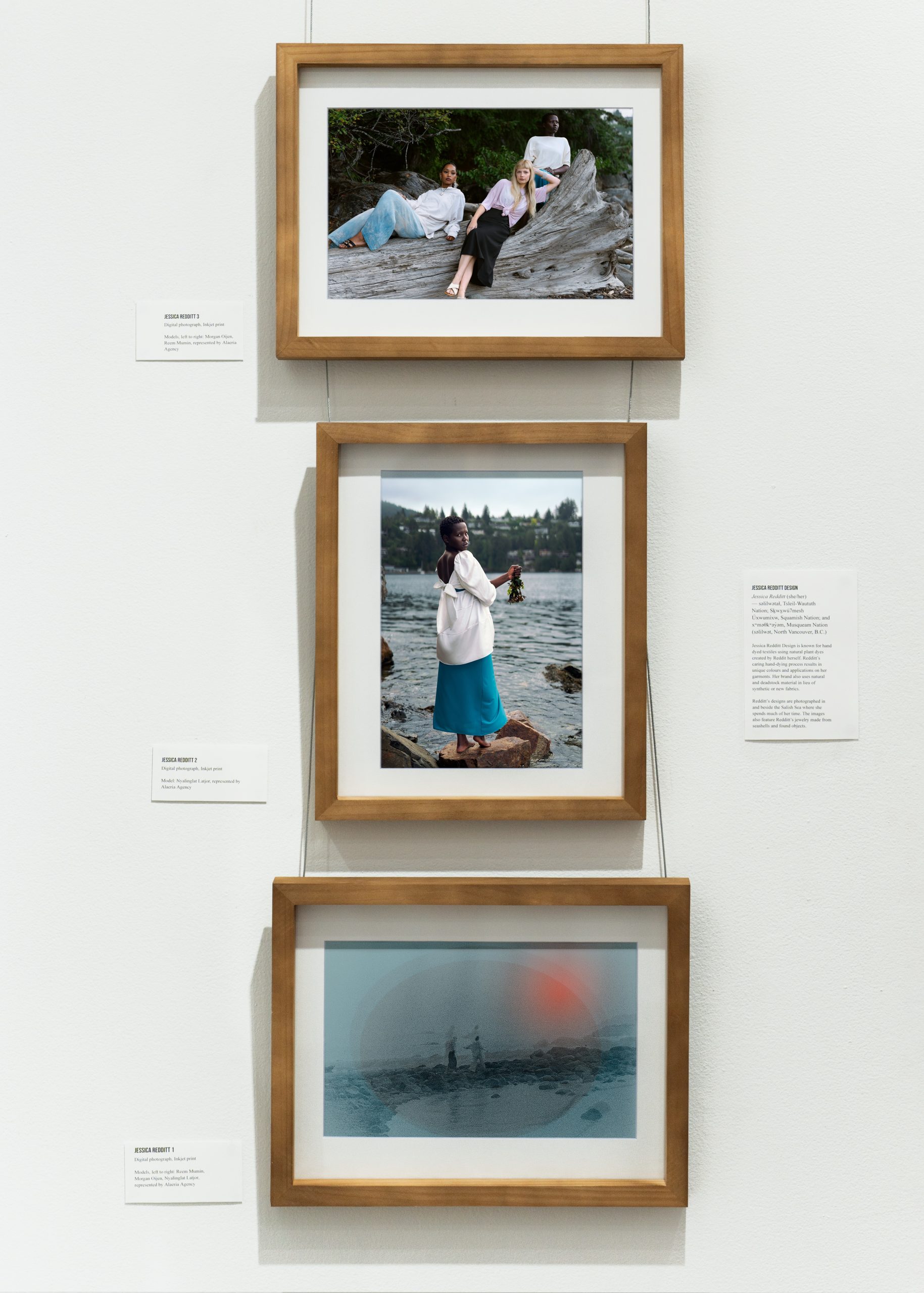
Jessica Redditt Design
Jessica Redditt (she/her) — səlilwətaɬ, Tsleil-Waututh Nation; Sḵwx̱wú7mesh Úxwumixw, Squamish Nation; and xʷməθkʷəy̓əm, Musqueam Nation (səlilwət, North Vancouver, B.C.)
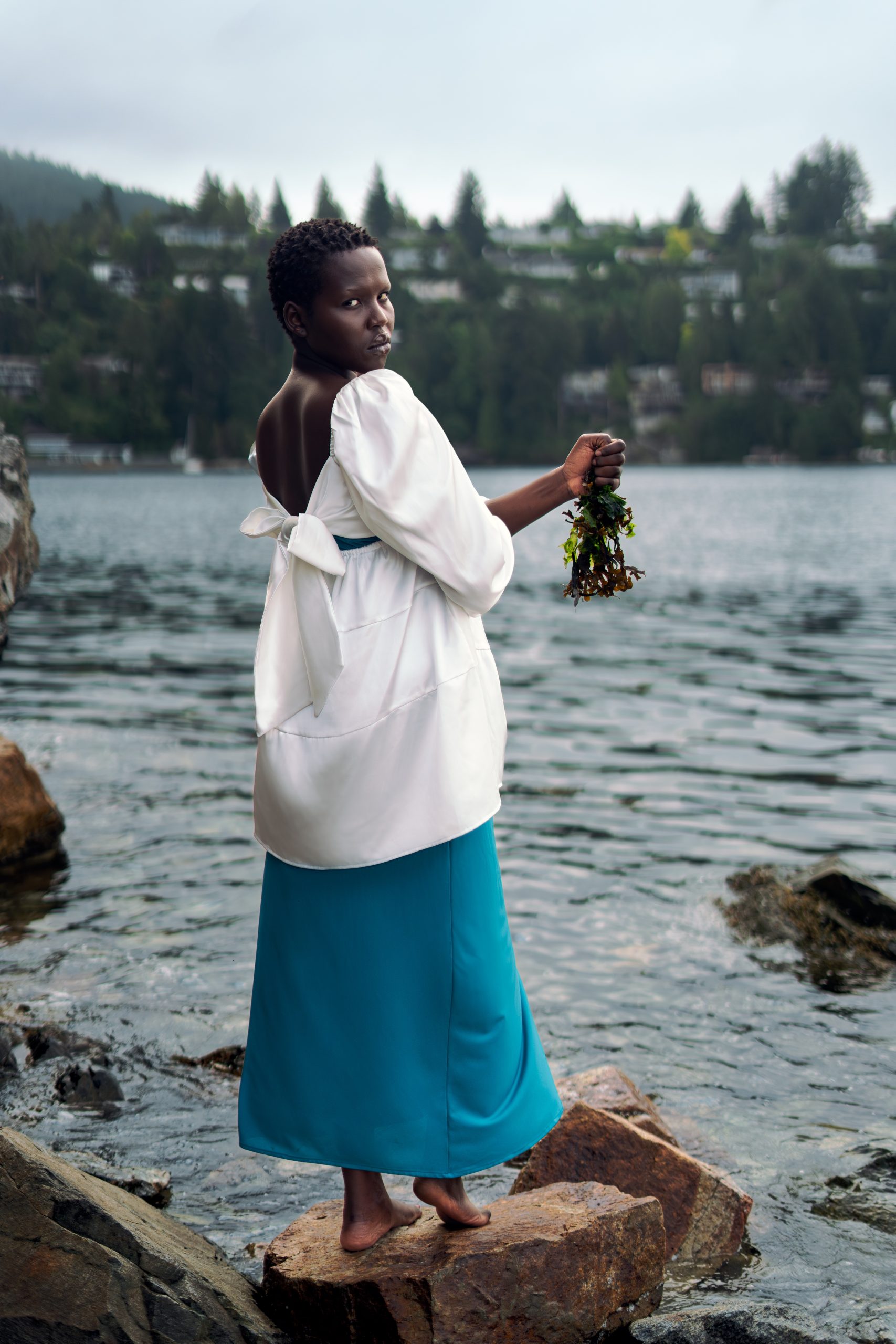
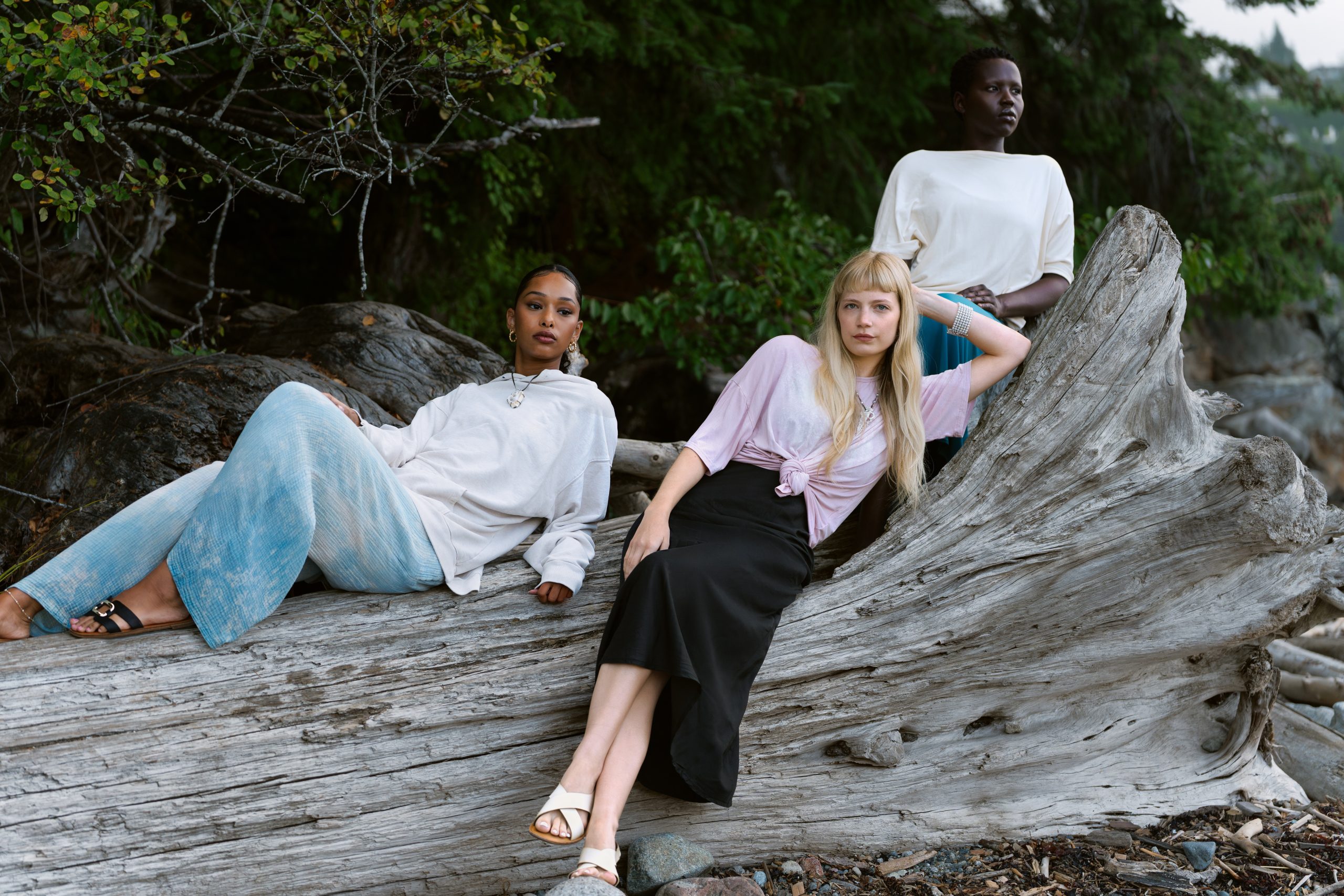
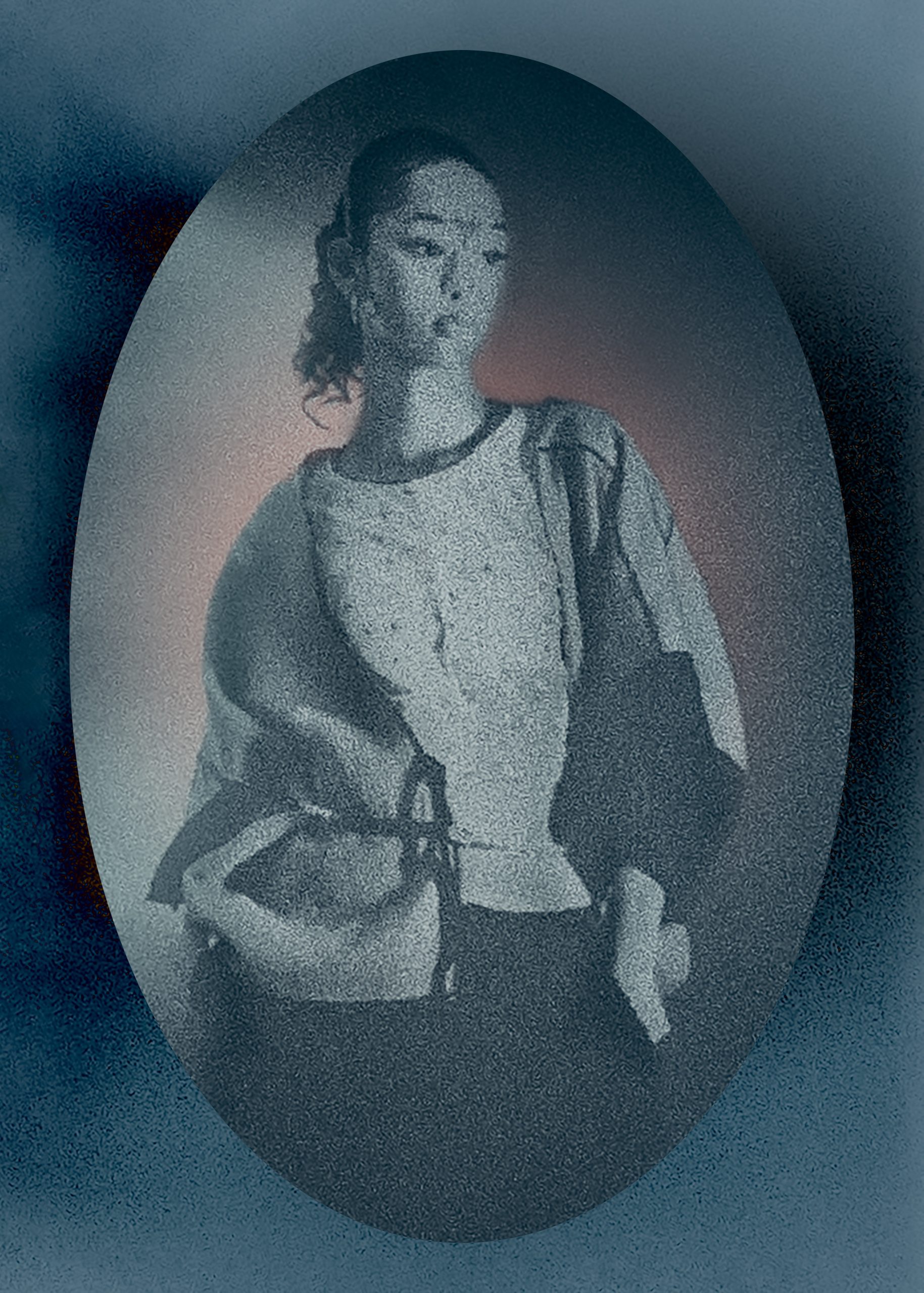
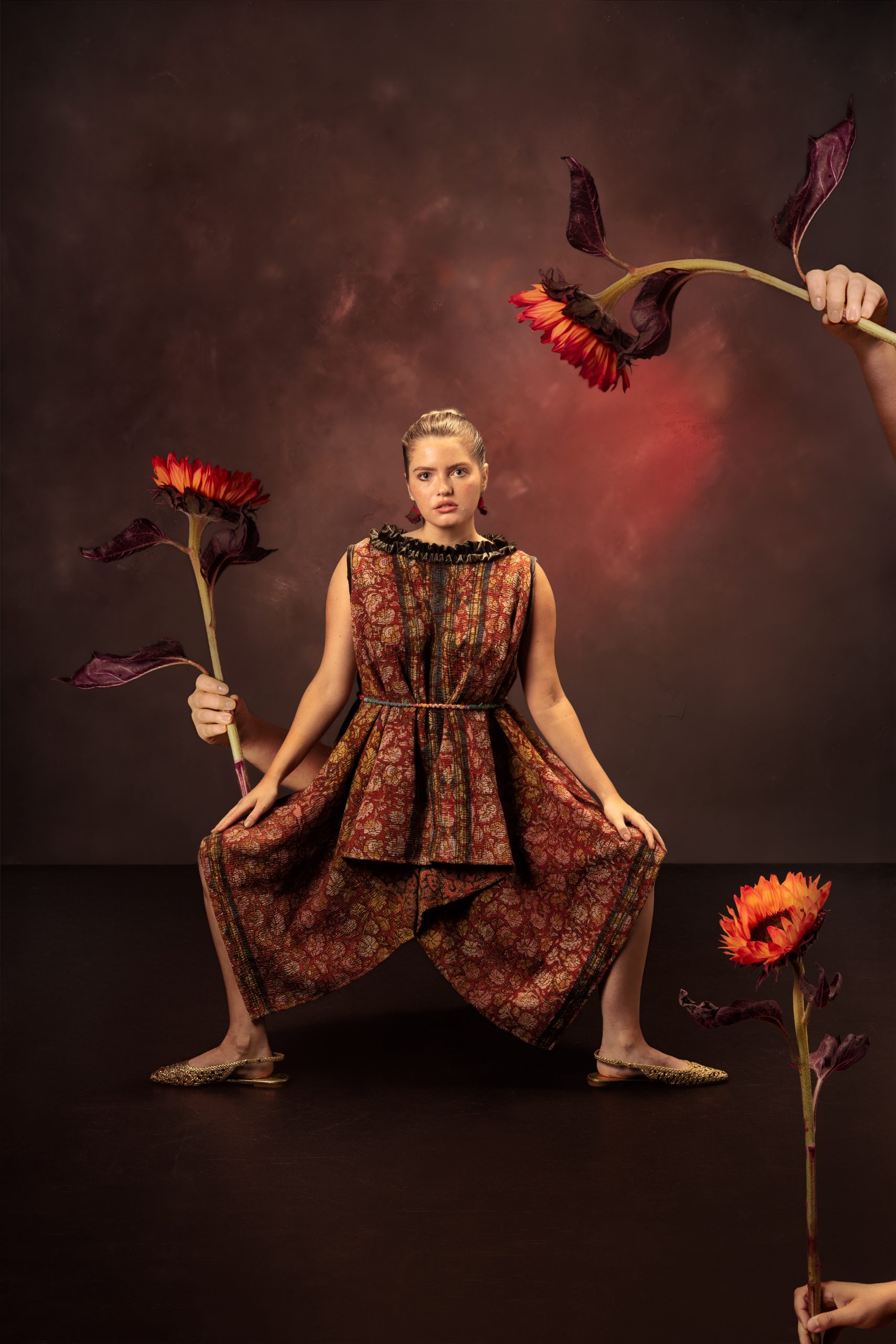
Jessica Redditt Design is known for hand dyed textiles using natural plant dyes created by Reddit herself. Redditt’s caring hand-dying process results in unique colours and applications on her garments. Her brand also uses natural and deadstock material in lieu of synthetic or new fabrics.
Redditt’s designs are photographed in and beside the Salish Sea where she spends much of her time. The images also feature Redditt’s jewelry made from seashells and found objects.
Fairy’s Thread
Fereshteh Irani (she/her) — səlilwətaɬ, Tsleil-Waututh Nation; Sḵwx̱wú7mesh Úxwumixw, Squamish Nation; xʷməθkʷəy̓əm, Musqueam Nation; (səlilwət, North Vancouver)
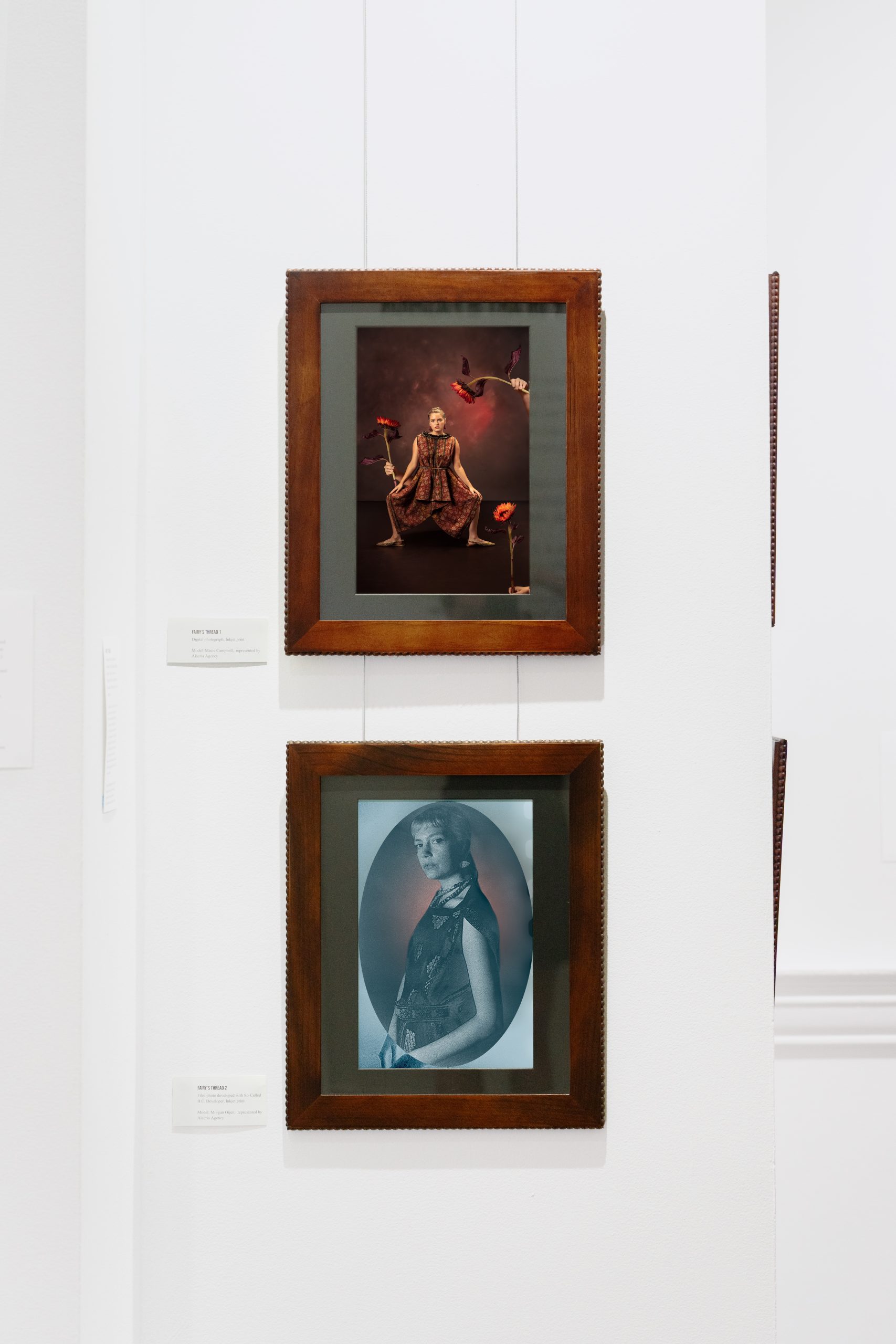
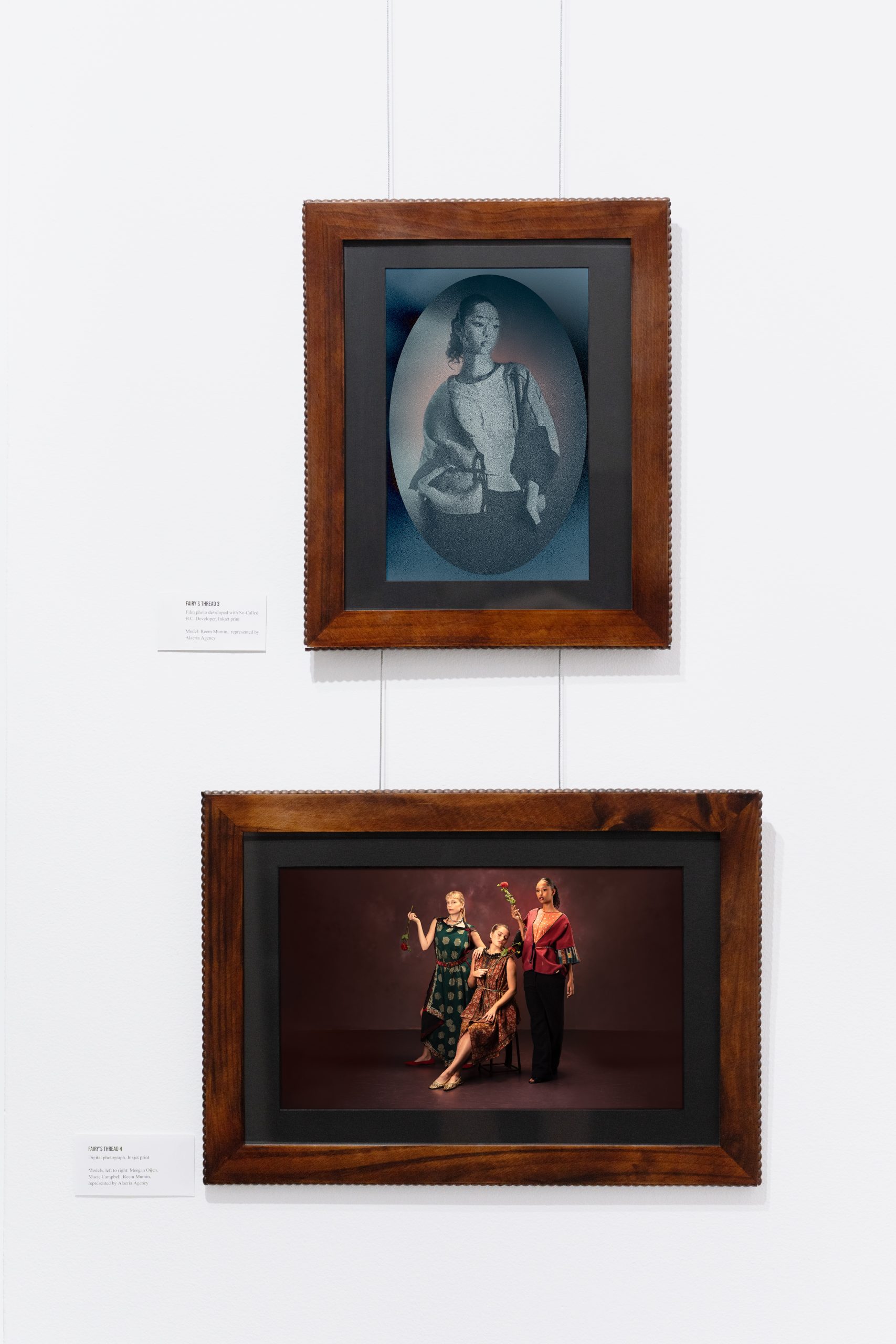
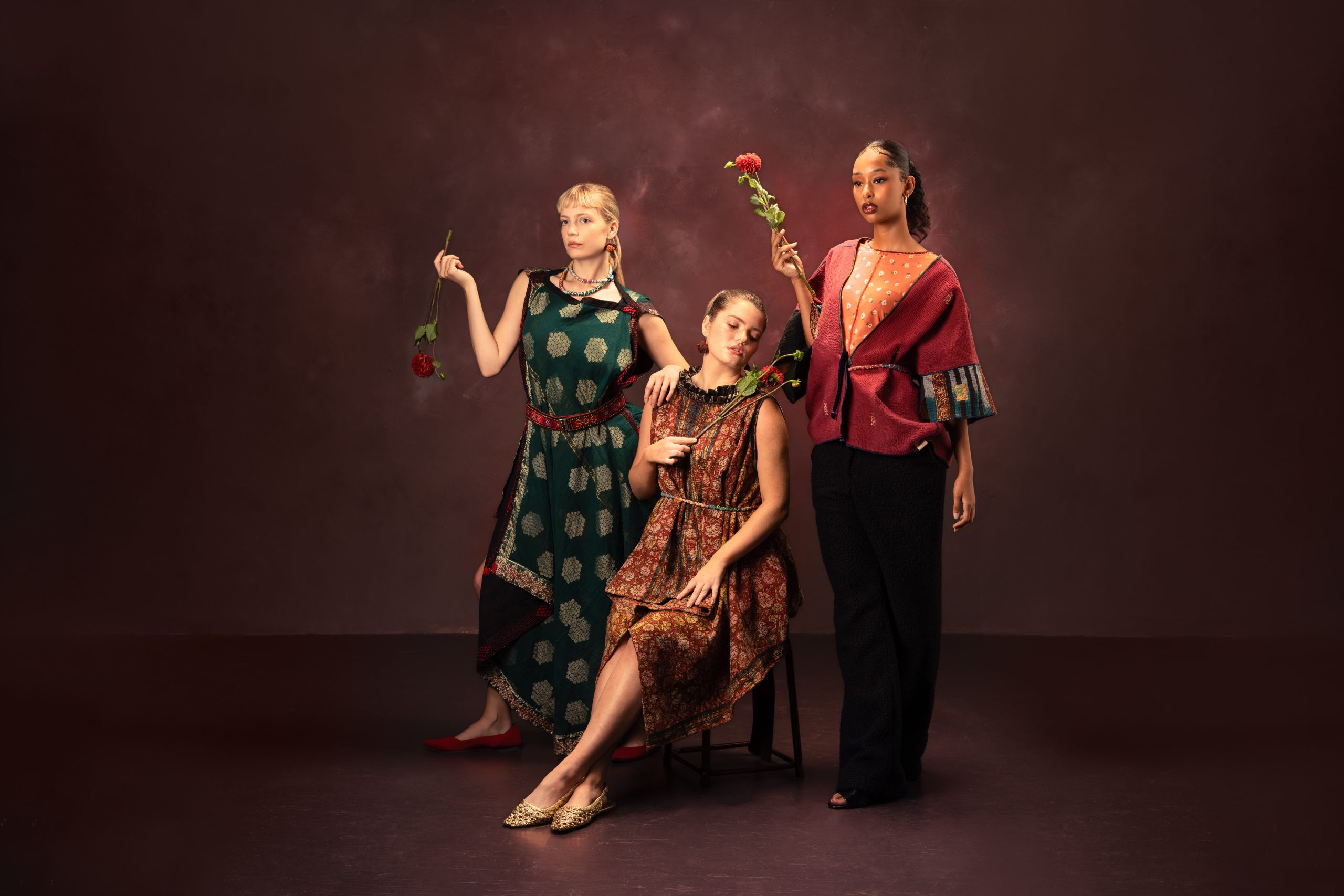
Fereshteh Irani’s brand Fairy’s Thread is inspired by the flora and fauna of Vancouver and traditional stitching techniques from Northern Iran. Her practice combines her sense of home in the Alborz mountains, Iran, and her new connection to the land in so-called B.C. Irani’s designs are one-offs and created by a solo-maker with intention. Her designs use natural materials and kantha; a traditional patchwork fabric made from old materials.
Beaudin photographed Irani’s garments alongside some of the flowers that inspired their design, including chrysanthemums and perennial flowers.
MxPxoLab
Melissa Pavan (she/her) — Secwépemc (shuswap) Nation (Secwepemcúl’ecw, Kamloops, B.C.)
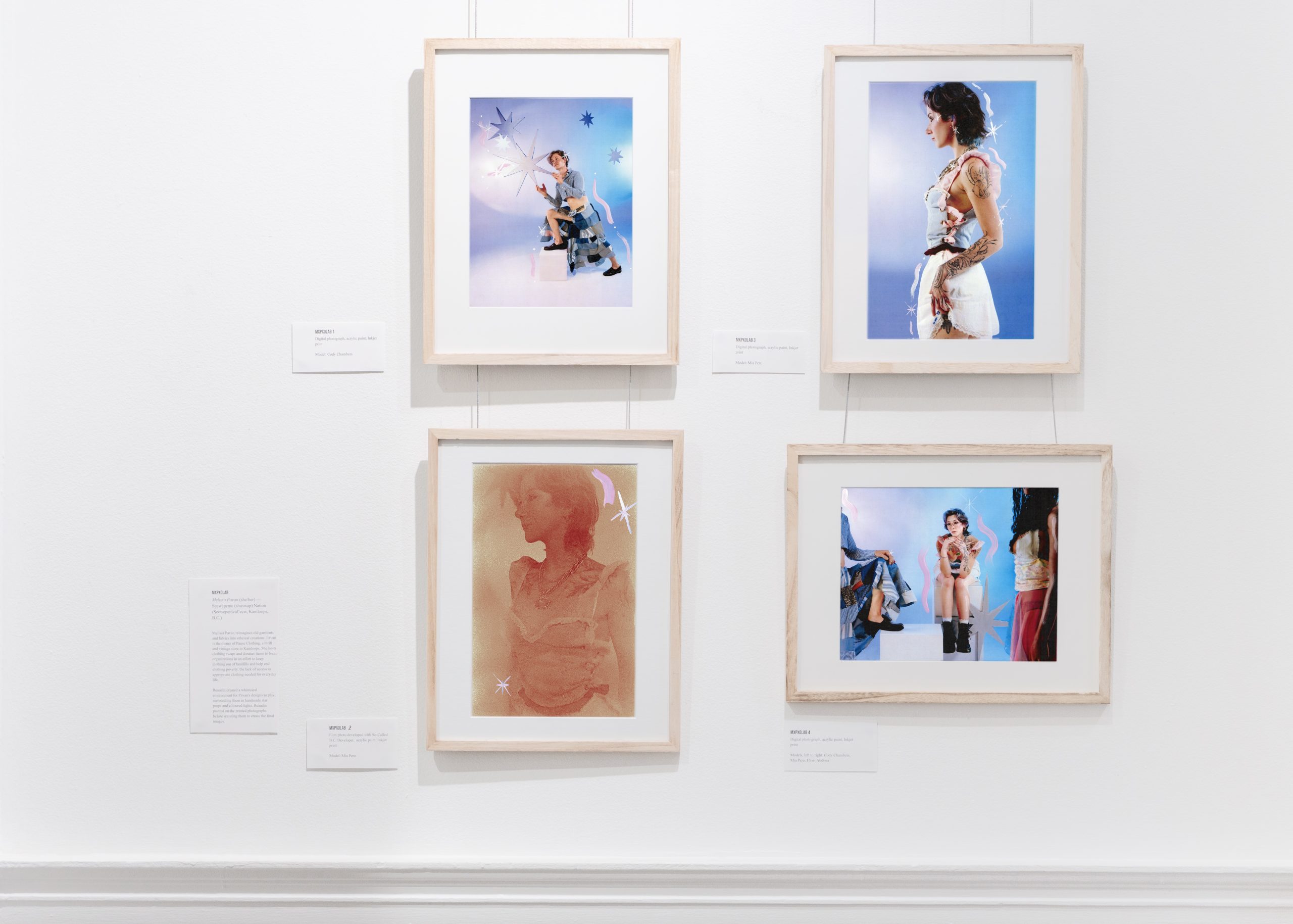
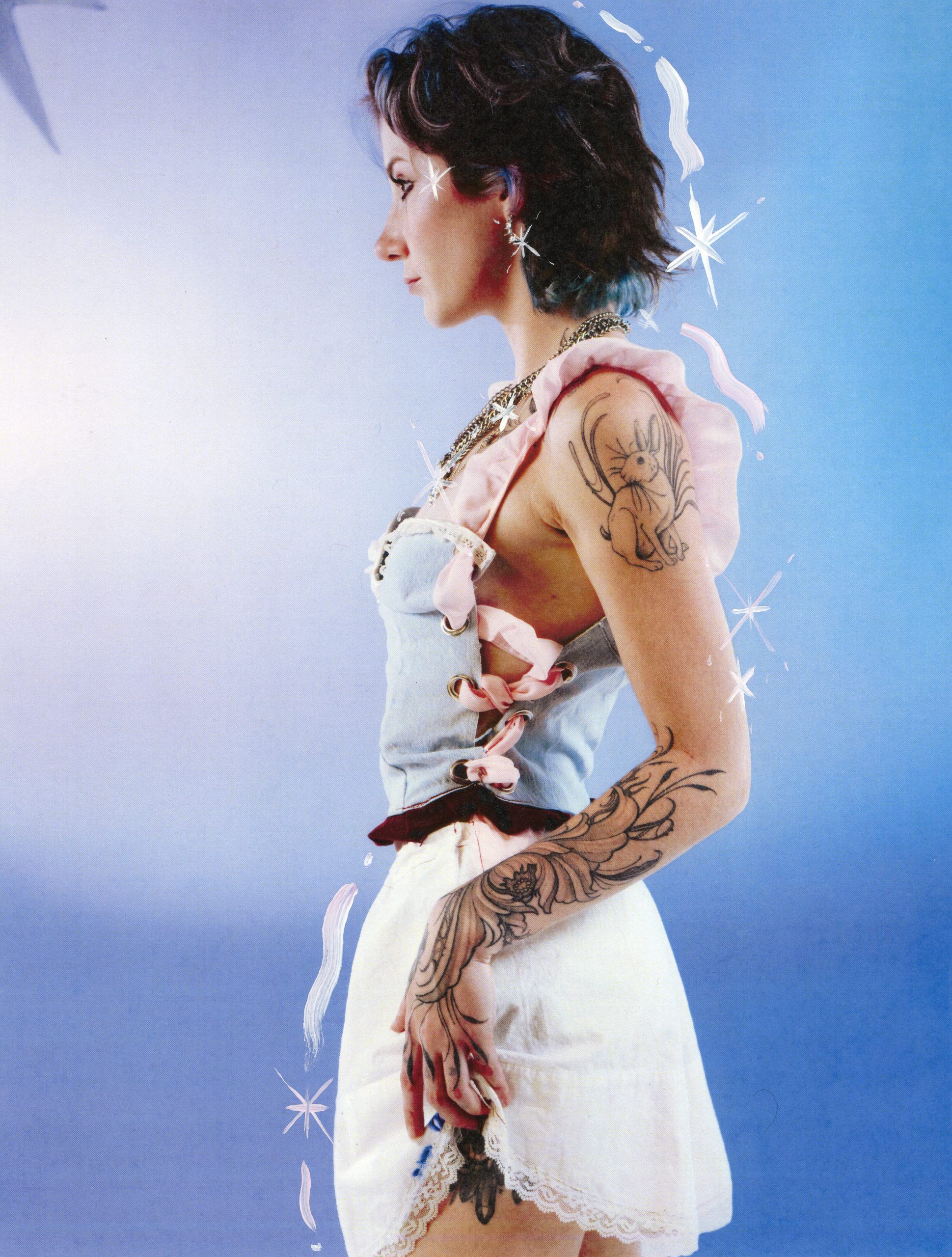
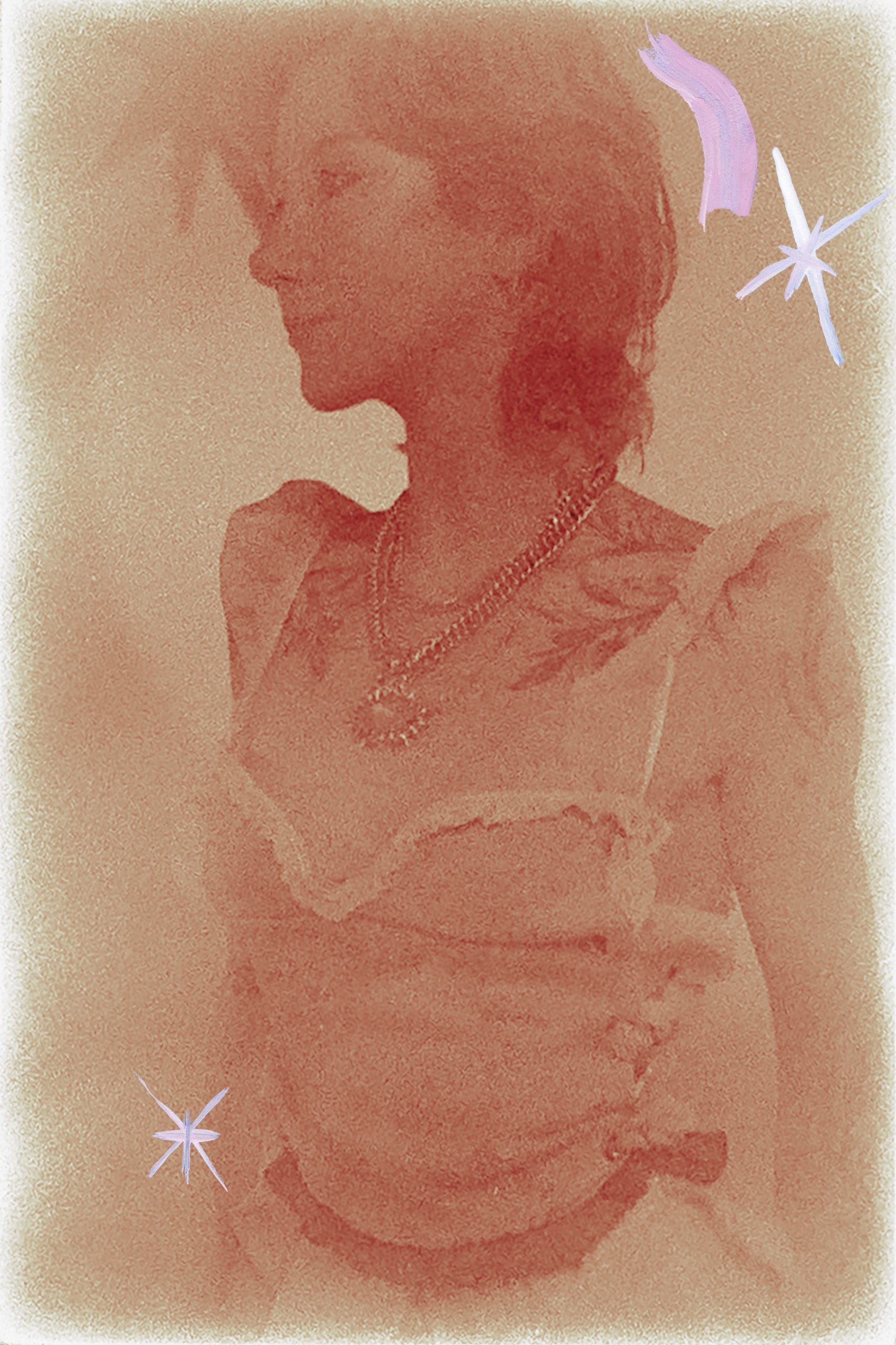
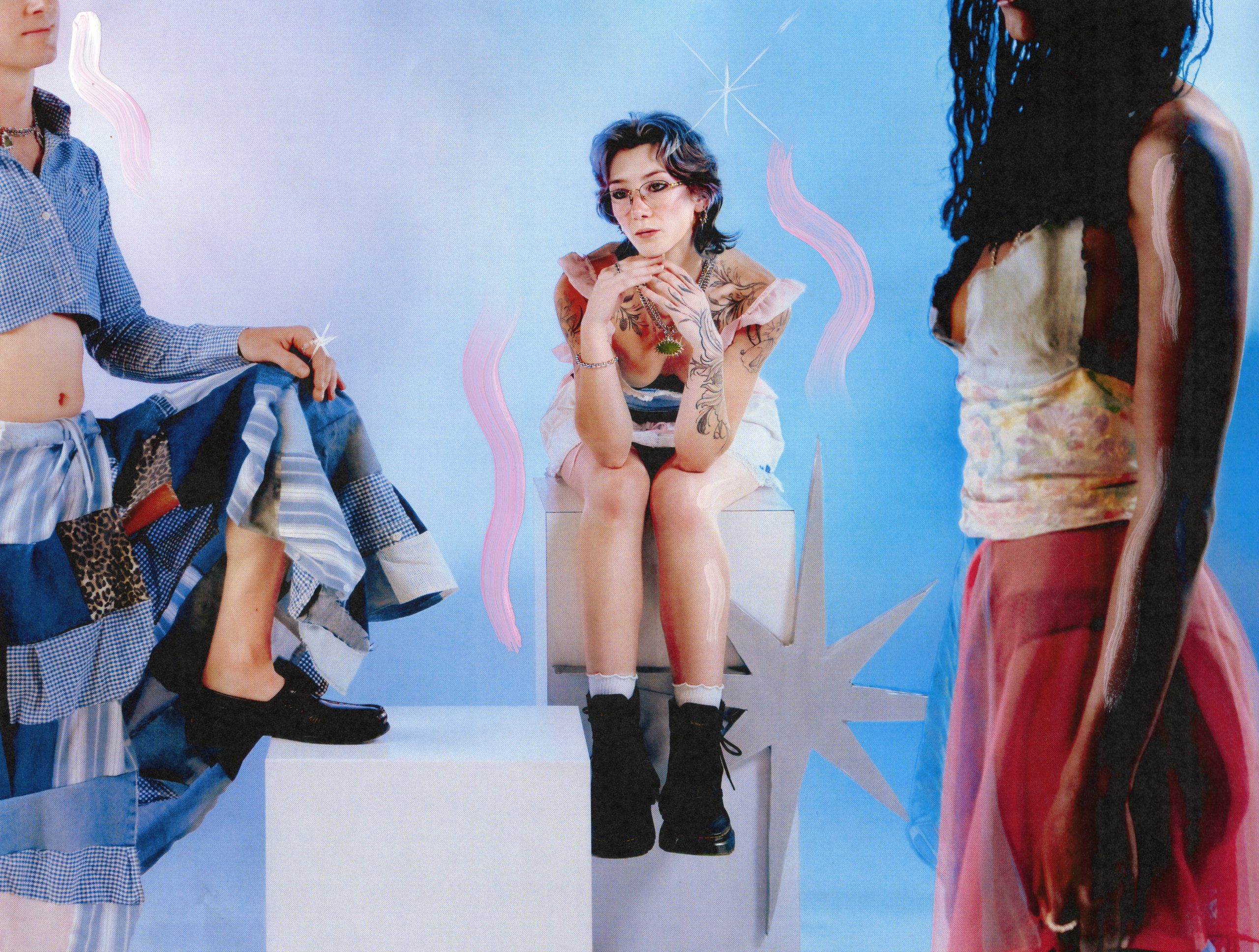
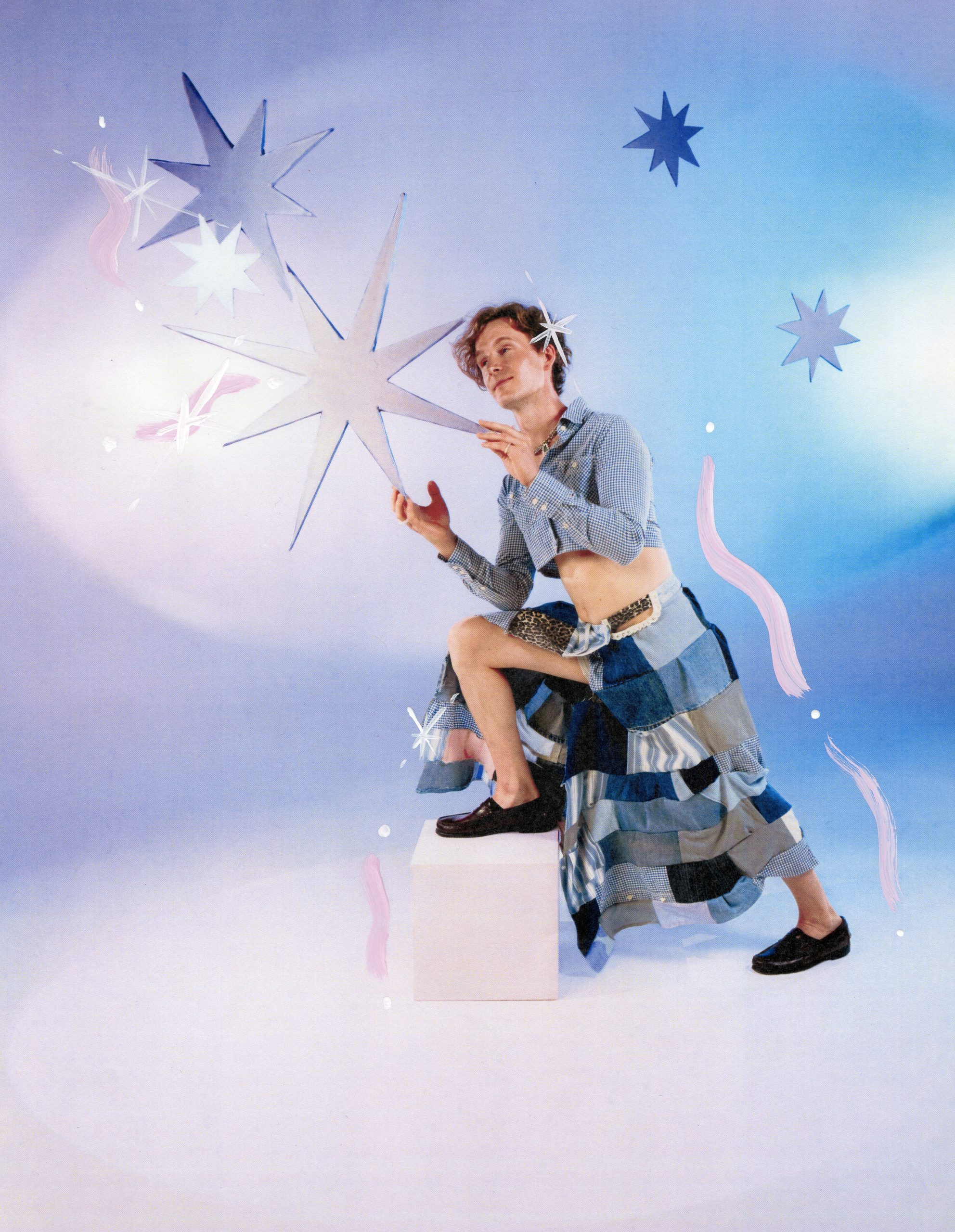
Melissa Pavan reimagines old garments and fabrics into ethereal creations. Pavan is the owner of Pause Clothing, a thrift and vintage store in Kamloops. She hosts clothing swaps and donates items to local organizations in an effort to keep clothing out of landfills and help end clothing poverty, the lack of access to appropriate clothing needed for everyday life.
Beaudin created a whimsical environment for Pavan’s designs to play; surrounding them in handmade star props and coloured lights. Beaudin painted on the printed photographs before scanning them to create the final images.

Delayne Dixon
Delayne Dixon (she/her) — Secwépemc (Shushwap Nation) (Secwepemcúl’ecw Kamloops, B.C.)
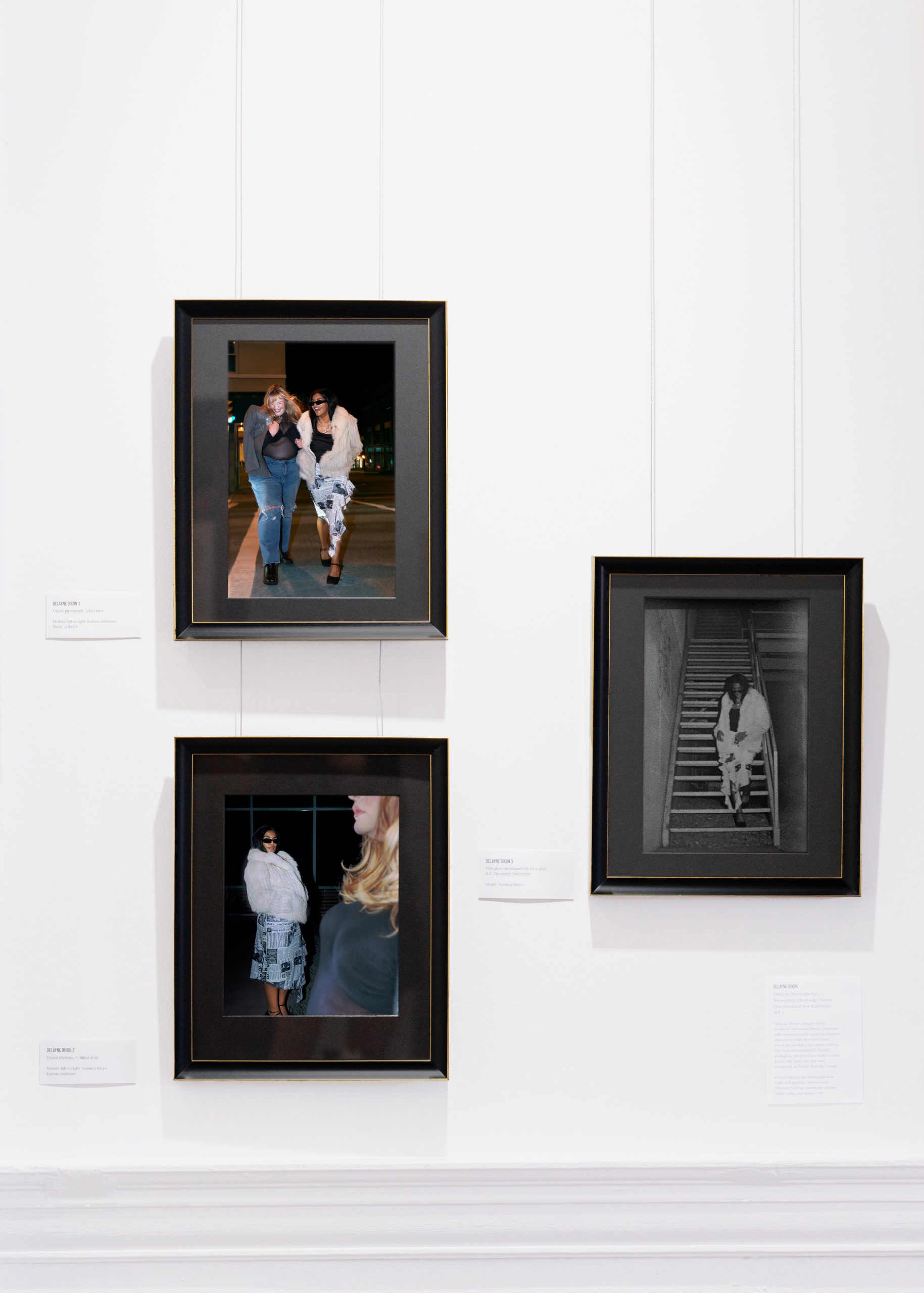
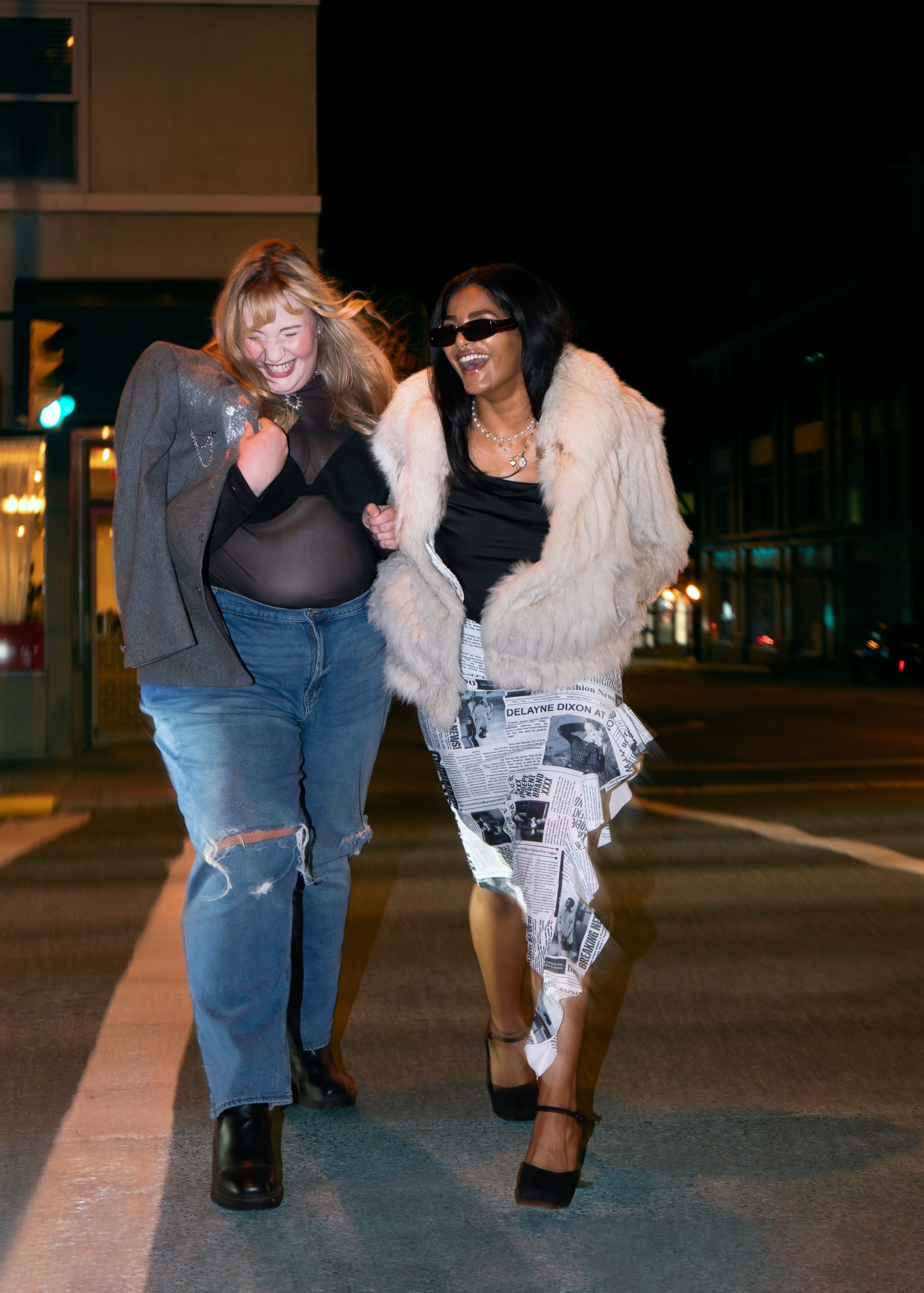
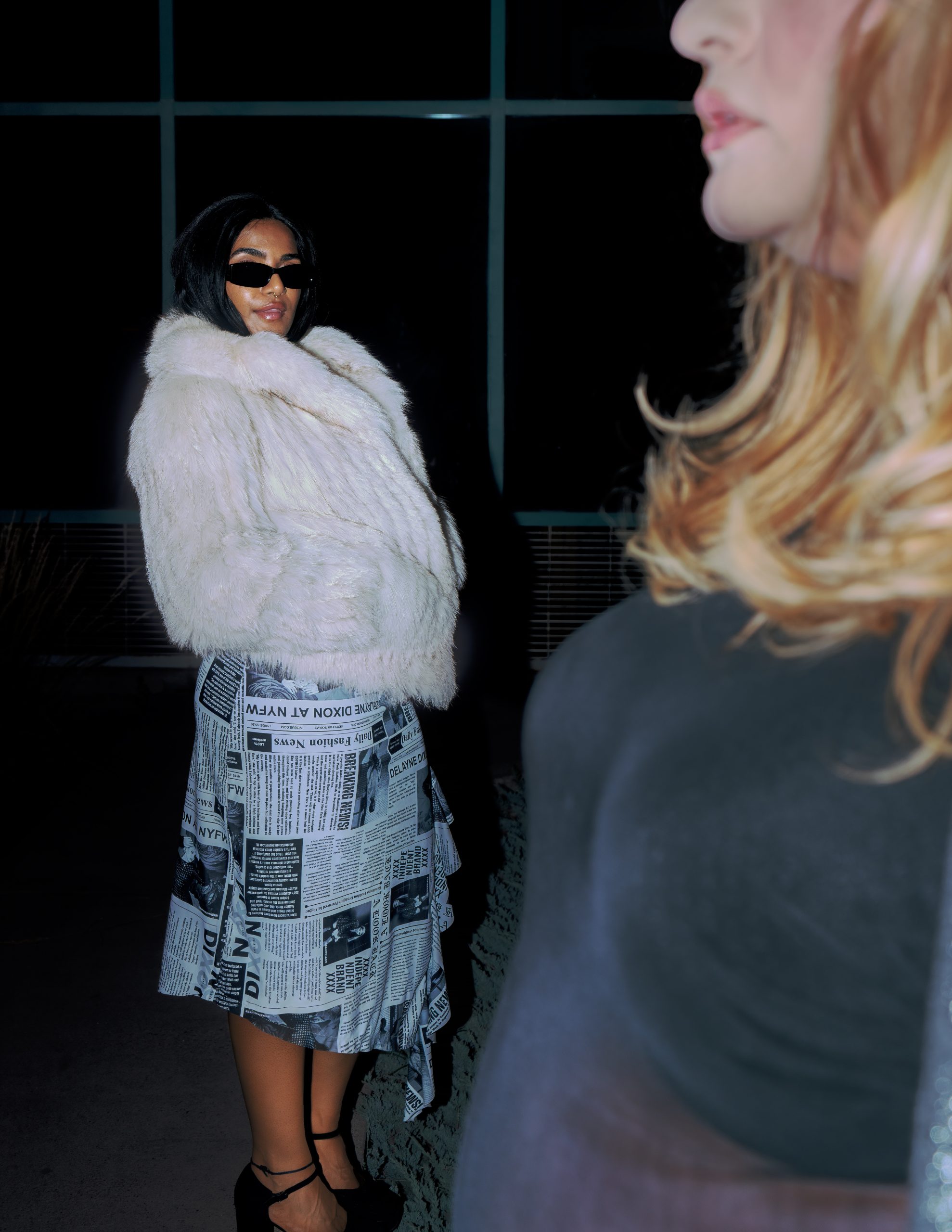
Delayne Dixon’s designs utilize deadstock and natural fabrics combined with environmentally conscious business practices to create her vixen looks. Dixon has created a zero-waste clothing line, uses environmentally friendly packaging, and prioritizes made-to-order pieces. Her talent has also been recognized on Project Runway Canada.
Dixon’s designs are photographed at night in Kamloops’ downtown to represent both her community and her brand’s edgy and sensual vibe.
Harly Jae
Laiila Bédard-Potvin (she/her) — səmyámə (Semiahmoo Nation) (P’quals or White Rock, B.C.)
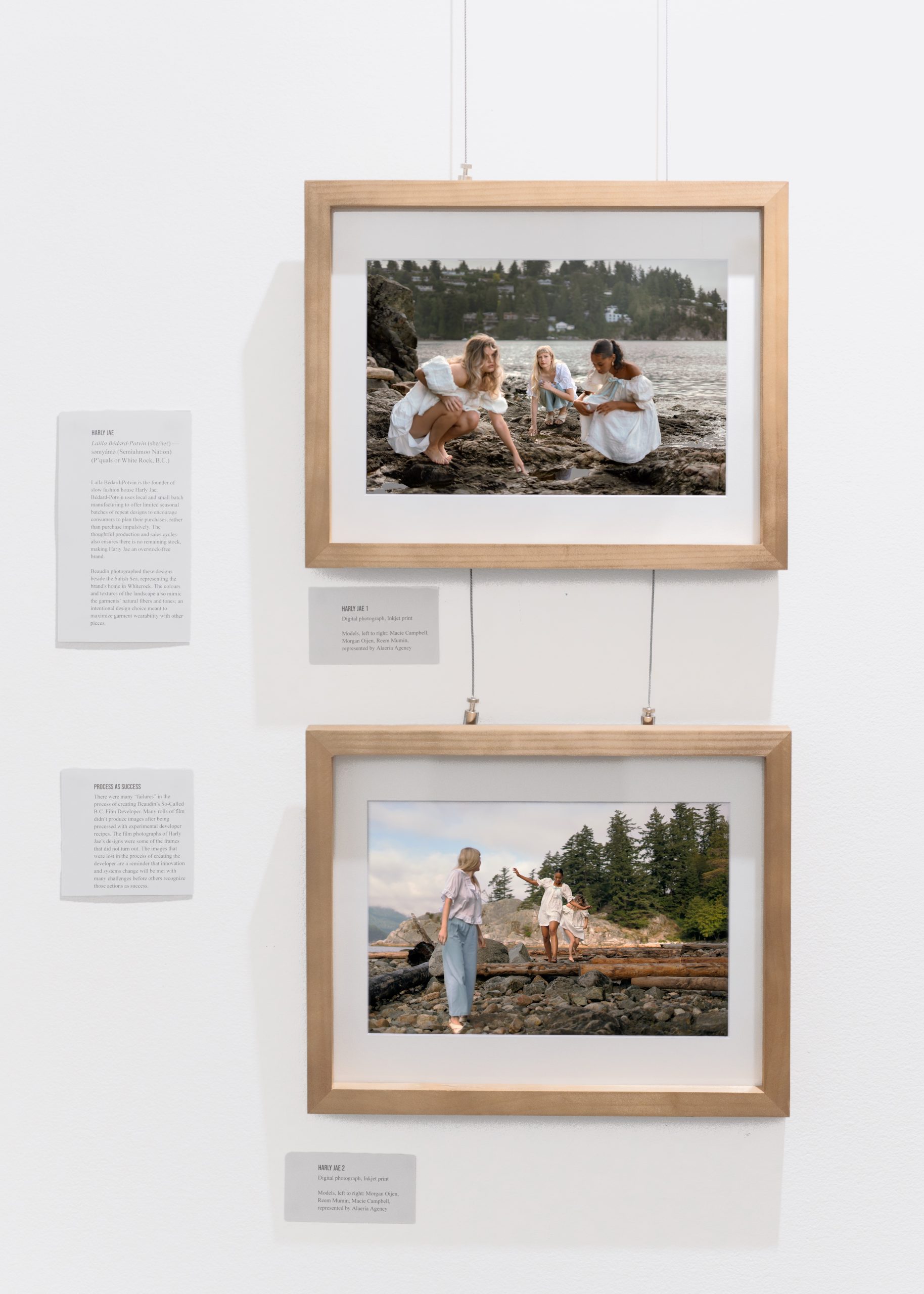
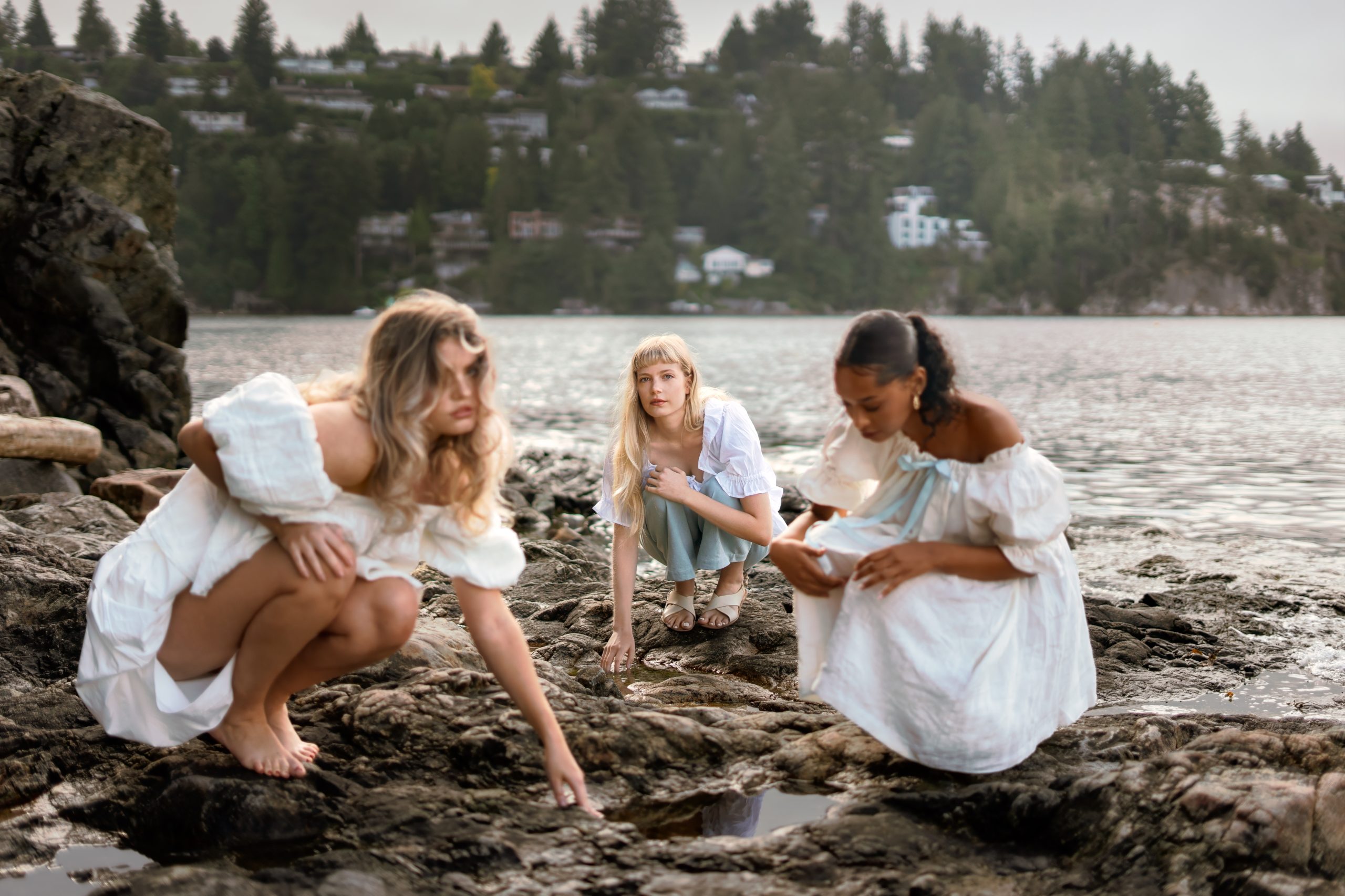
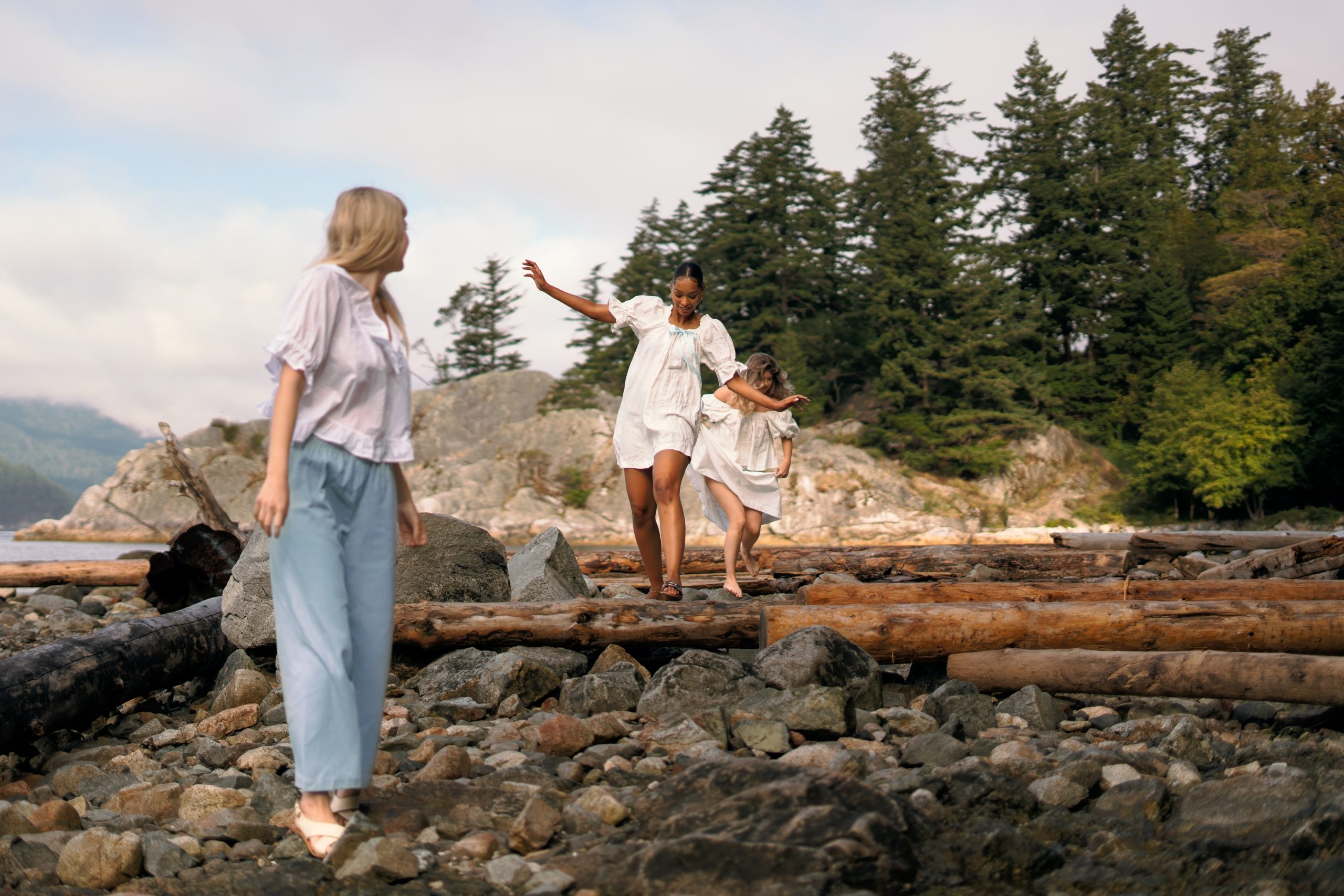
Laïla Bédard-Potvin is the founder of slow fashion house Harly Jae. Bédard-Potvin uses local and small batch manufacturing to offer limited seasonal batches of repeat designs to encourage consumers to plan their purchases, rather than purchase impulsively. The thoughtful production and sales cycles also ensures there is no remaining stock, making Harly Jae an overstock-free brand.
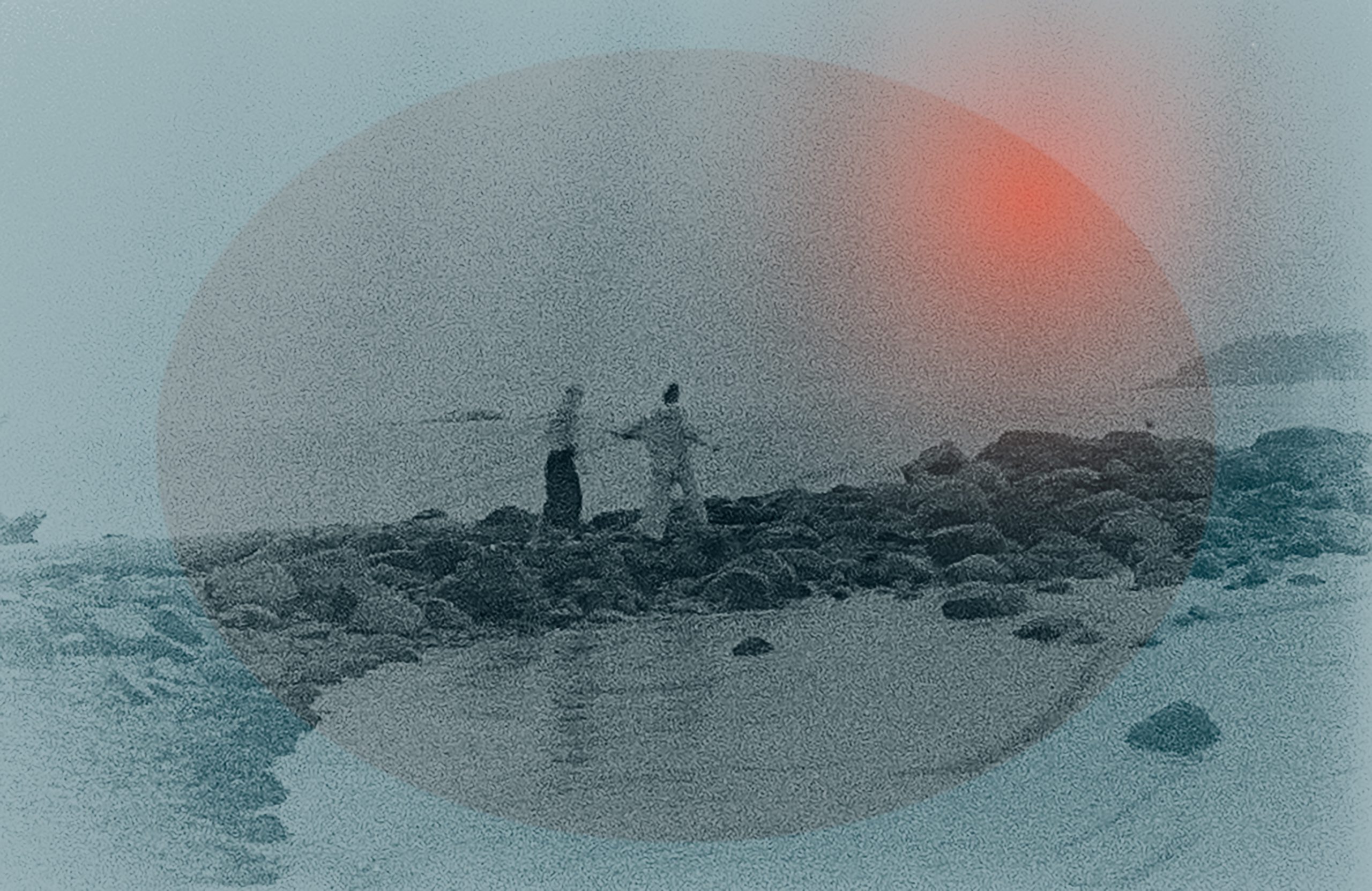
Beaudin photographed these designs beside the Salish Sea, representing the brand’s home in Whiterock. The colours and textures of the landscape also mimic the garments’ natural fibers and tones; an intentional design choice meant to maximize garment wearability with other pieces.
Process as Success
There were many “failures” in the process of creating Beaudin’s So-Called B.C. Film Developer. Many rolls of film didn’t produce images after being processed with experimental developer recipes. The film photographs of Harly Jae’s designs were some of the frames that did not turn out. The images that were lost in the process of creating the developer are a reminder that innovation and systems change will be met with many challenges before others recognize those actions as success.
Darkroom Print Experiments
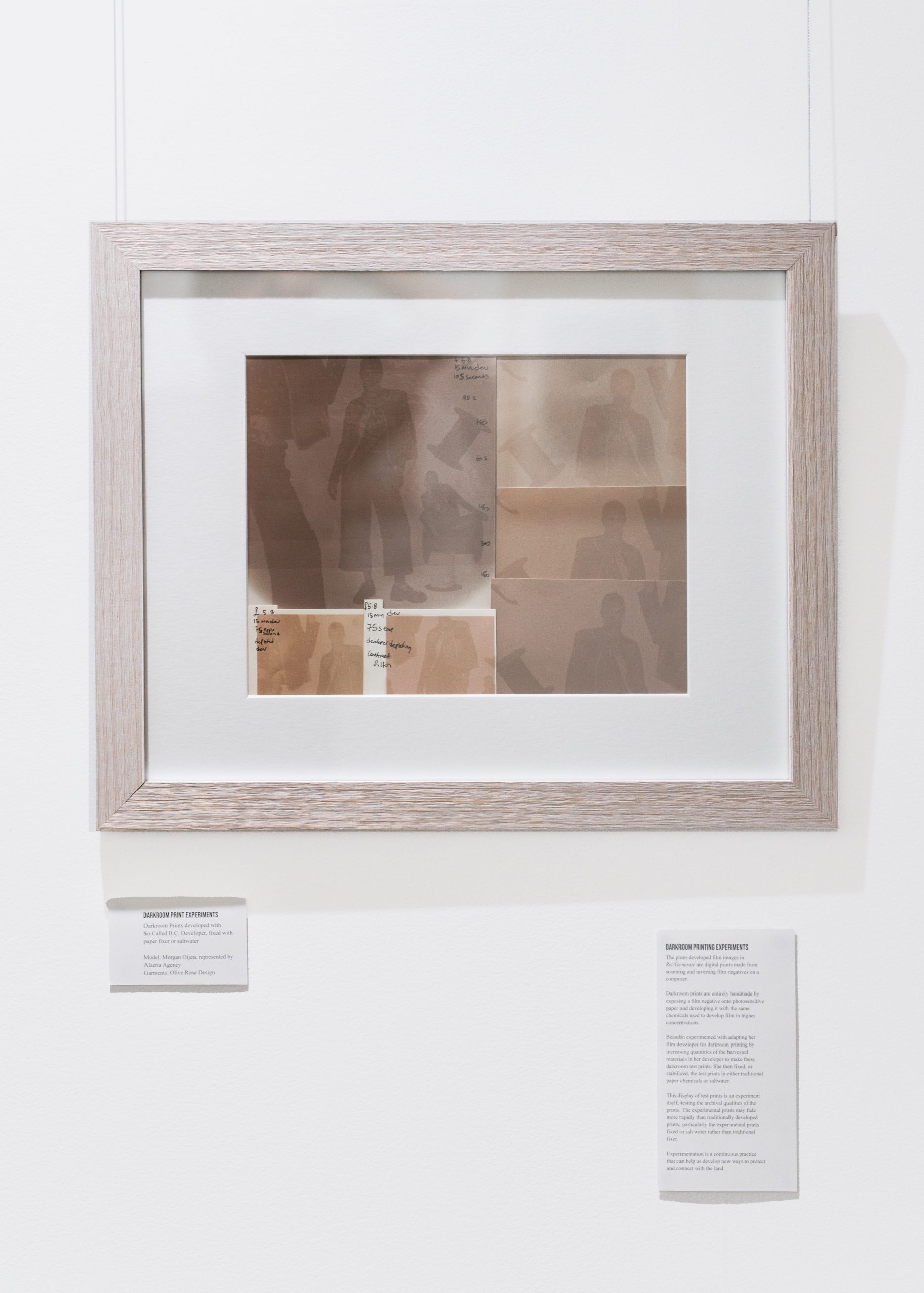
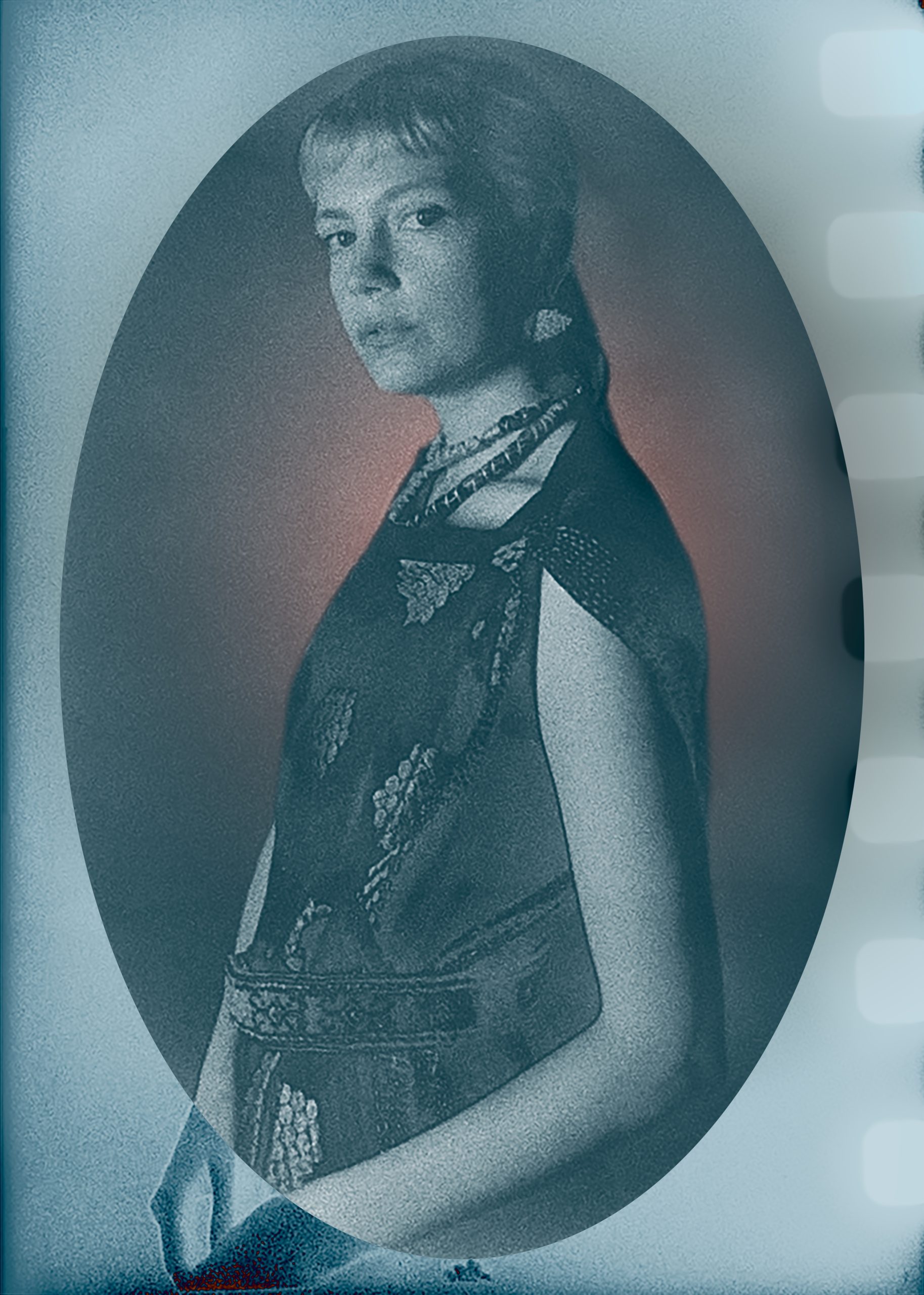
The plant-developed film images in Re//Generate are digital prints made from scanning and inverting film negatives on a computer.
Darkroom prints are entirely handmade by exposing a film negative onto photosensitive paper and developing it with the same chemicals used to develop film in higher concentrations.
Beaudin experimented with adapting her film developer for darkroom printing by increasing quantities of the harvested materials in her developer to make these darkroom test prints. She then fixed, or stabilized, the test prints in either traditional paper chemicals or saltwater.
This display of test prints is an experiment itself; testing the archival qualities of the prints. The experimental prints may fade more rapidly than traditionally developed prints, particularly the experimental prints fixed in salt water rather than traditional fixer.
Experimentation is a continuous practice that can help us develop new ways to protect and connect with the land.
Olive Rose Studio
Olivia Mansveld (she/her) — sn̓ʕay̓čkstx, Sinixt Nation; sqilxʷ, Syilx Nation; and Ktunaxa Nations (Ky̓ʕamlúp Nelson, B.C.)
Olive Rose Studio centres joy and thoughtfulness in each garment. Creator Olivia Mansveld makes one of a kind designs from recycled textiles, including fabric scraps, used garments, and deadstock. Deadstock refers to unsold and obsolete stock or inventory that a company is sitting on; often in the form of garments or fabric.
Beaudin created an oversized needle and thread out of recycled materials to compliment the designer’s work. Full of patchwork and created by a solo maker, Mansveld’s designs feel both playful and larger than the garments themselves in the context of sustainable fashion.
Ann Marie Hak
Ann Marie Mak (she/her) — Witsuwitʼen, Wet’suwet’en Nation (Laksilyu, Houston B.C.)
Ann Marie Hak’s designs are inspired by her Czech and Filipino heritage, as seen in her work’s floral motifs, beading, embroidery, and colours. Hak reimagines bedsheets, tablecloths, and old clothes into new pieces.
Beaudin photographed Hak’s designs at Silverthorne Lake near Houston, where Hak feels connected to the land. The area has been transformed by wildfires. Fireweed can be seen against the burned forest; a symbol of resilience and regeneration. Fireweed is often the first plant to regrow after fires and lays the groundwork for new layers of healthy soil where other plants can take root.
Jessica Redditt Design
Jessica Redditt (she/her) — səlilwətaɬ, Tsleil-Waututh Nation; Sḵwx̱wú7mesh Úxwumixw, Squamish Nation; and xʷməθkʷəy̓əm, Musqueam Nation (səlilwət, North Vancouver, B.C.)
Jessica Redditt Design is known for hand dyed textiles using natural plant dyes created by Reddit herself. Redditt’s caring hand-dying process results in unique colours and applications on her garments. Her brand also uses natural and deadstock material in lieu of synthetic or new fabrics.
Redditt’s designs are photographed in and beside the Salish Sea where she spends much of her time. The images also feature Redditt’s jewelry made from seashells and found objects.
Fairy’s Thread
Fereshteh Irani (she/her) — səlilwətaɬ, Tsleil-Waututh Nation; Sḵwx̱wú7mesh Úxwumixw, Squamish Nation; xʷməθkʷəy̓əm, Musqueam Nation; (səlilwət, North Vancouver)
Fereshteh Irani’s brand Fairy’s Thread is inspired by the flora and fauna of Vancouver and traditional stitching techniques from Northern Iran. Her practice combines her sense of home in the Alborz mountains, Iran, and her new connection to the land in so-called B.C. Irani’s designs are one-offs and created by a solo-maker with intention. Her designs use natural materials and kantha; a traditional patchwork fabric made from old materials.
Beaudin photographed Irani’s garments alongside some of the flowers that inspired their design, including chrysanthemums and perennial flowers.
MxPxoLab
Melissa Pavan (she/her) — Secwépemc (shuswap) Nation (Secwepemcúl’ecw, Kamloops, B.C.)
Melissa Pavan reimagines old garments and fabrics into ethereal creations. Pavan is the owner of Pause Clothing, a thrift and vintage store in Kamloops. She hosts clothing swaps and donates items to local organizations in an effort to keep clothing out of landfills and help end clothing poverty, the lack of access to appropriate clothing needed for everyday life.
Beaudin created a whimsical environment for Pavan’s designs to play; surrounding them in handmade star props and coloured lights. Beaudin painted on the printed photographs before scanning them to create the final images.
Delayne Dixon
Delayne Dixon (she/her) — Secwépemc (Shushwap Nation) (Secwepemcúl’ecw Kamloops, B.C.)
Delayne Dixon’s designs utilize deadstock and natural fabrics combined with environmentally conscious business practices to create her vixen looks. Dixon has created a zero-waste clothing line, uses environmentally friendly packaging, and prioritizes made-to-order pieces. Her talent has also been recognized on Project Runway Canada.
Dixon’s designs are photographed at night in Kamloops’ downtown to represent both her community and her brand’s edgy and sensual vibe.
Harly Jae
Laiila Bédard-Potvin (she/her) — səmyámə (Semiahmoo Nation) (P’quals or White Rock, B.C.)
Laïla Bédard-Potvin is the founder of slow fashion house Harly Jae. Bédard-Potvin uses local and small batch manufacturing to offer limited seasonal batches of repeat designs to encourage consumers to plan their purchases, rather than purchase impulsively. The thoughtful production and sales cycles also ensures there is no remaining stock, making Harly Jae an overstock-free brand.
Beaudin photographed these designs beside the Salish Sea, representing the brand’s home in Whiterock. The colours and textures of the landscape also mimic the garments’ natural fibers and tones; an intentional design choice meant to maximize garment wearability with other pieces.
Process as Success
There were many “failures” in the process of creating Beaudin’s So-Called B.C. Film Developer. Many rolls of film didn’t produce images after being processed with experimental developer recipes. The film photographs of Harly Jae’s designs were some of the frames that did not turn out. The images that were lost in the process of creating the developer are a reminder that innovation and systems change will be met with many challenges before others recognize those actions as success.
Darkroom Print Experiments
The plant-developed film images in Re//Generate are digital prints made from scanning and inverting film negatives on a computer.
Darkroom prints are entirely handmade by exposing a film negative onto photosensitive paper and developing it with the same chemicals used to develop film in higher concentrations.
Beaudin experimented with adapting her film developer for darkroom printing by increasing quantities of the harvested materials in her developer to make these darkroom test prints. She then fixed, or stabilized, the test prints in either traditional paper chemicals or saltwater.
This display of test prints is an experiment itself; testing the archival qualities of the prints. The experimental prints may fade more rapidly than traditionally developed prints, particularly the experimental prints fixed in salt water rather than traditional fixer.
Experimentation is a continuous practice that can help us develop new ways to protect and connect with the land.